
There is currently no cure for Hashimoto's thyroiditis. Traditional Chinese medicine treatment can help alleviate symptoms and regulate immune function, but it cannot completely cure the disease. Hashimoto's thyroiditis is an autoimmune thyroiditis characterized by hypothyroidism. Traditional Chinese medicine treatment mainly assists in controlling the condition by regulating qi and blood, improving physical fitness, and other methods.
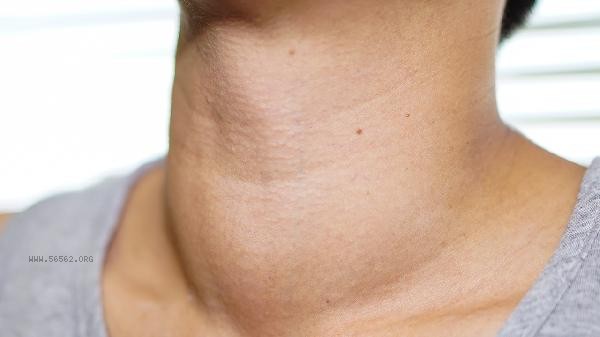
Hashimoto's thyroiditis is often treated with Chinese medicine conditioning and acupuncture and moxibustion. Traditional Chinese medicine commonly uses qi tonifying and spleen strengthening drugs such as Astragalus membranaceus, Codonopsis pilosula, and atractylodes macrocephala, combined with medicinal herbs such as Prunella vulgaris and Fritillaria thunbergii, to help improve symptoms such as thyroid enlargement and fatigue. Acupuncture and moxibustion mostly selects Zusanli, Guanyuan, Qihai and other acupoints to regulate immune function by stimulating the meridians. Some patients may experience a decrease in thyroid antibody levels and relief of symptoms after traditional Chinese medicine treatment, but thyroid tissue damage is usually irreversible.

Western medicine mainly uses thyroid hormone replacement to treat Hashimoto's thyroiditis, and levothyroxine sodium tablets are commonly used to maintain normal thyroid function. When there are obvious symptoms of thyroid enlargement and compression or suspected malignant transformation, surgical treatment may be necessary. The combination of traditional Chinese medicine and Western medicine can leverage their respective advantages. Traditional Chinese medicine focuses on overall regulation, while Western medicine supplements hormone deficiencies. The combination of the two is more effective. Patients with Hashimoto's thyroiditis should pay attention to maintaining a regular daily routine, avoiding excessive fatigue and mental stress. In terms of diet, iodine containing foods such as seaweed and seaweed can be appropriately increased, but should not be excessive. Regularly monitor thyroid function and antibody levels, and adjust treatment plans based on examination results. If symptoms such as obvious fear of cold, weight gain, and memory loss worsen, timely medical attention should be sought to adjust the dosage of medication.





Comments (0)
Leave a Comment
No comments yet
Be the first to share your thoughts!