
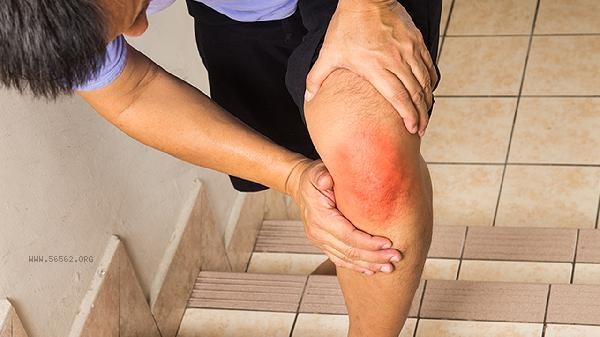
Gout can be relieved and controlled through traditional Chinese medicine treatment, but it is difficult to completely cure it. Traditional Chinese medicine mainly treats gout by taking Chinese medicine orally, acupuncture and moxibustion, cupping, massage, dietotherapy, etc. Gout is usually related to factors such as damp heat accumulation, spleen deficiency and excessive dampness, and liver and kidney deficiency, manifested as symptoms such as joint redness, swelling, heat pain, and limited mobility.
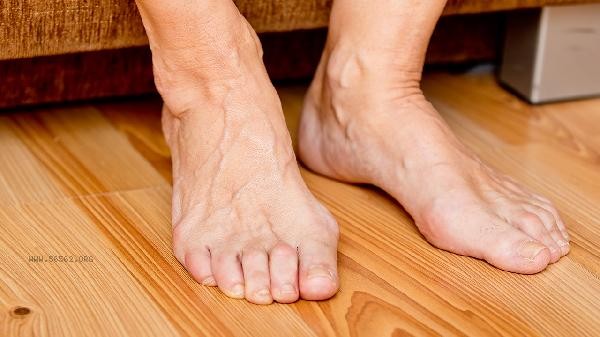
1. Oral administration of traditional Chinese medicine
Traditional Chinese medicine commonly uses herbs that clear heat and dampness, promote blood circulation and remove blood stasis to treat gout. For example, Simiao Wan can clear heat and dampness, Danggui Niantong Tang can dispel wind and dampness, and Guizhi Fuling Wan can help promote blood circulation and remove blood stasis. These prescriptions need to be treated based on the patient's physical condition, with Huangbai and Cangzhu commonly used for damp heat type, and Taoren and Honghua commonly selected for phlegm and stasis type. Traditional Chinese medicine treatment requires long-term persistence, and the effect is better when combined with dietary adjustments.
2. acupuncture and moxibustion therapy
acupuncture and moxibustion regulates the movement of qi and blood by stimulating acupoints. Common acupoints include Zusanli, Yanglingquan, Sanyinjiao, etc. In the acute phase, laxative therapy can be used to relieve redness, swelling, heat and pain, while in the chronic phase, tonifying therapy can be used to improve physical fitness. Acupuncture and moxibustion can promote the excretion of uric acid and reduce inflammatory reaction, but it needs professional doctors to operate it. Treatment is 2-3 times a week, and 10-15 times is a course of treatment.
3. Cupping therapy
Cupping can promote local blood circulation and accelerate the absorption of inflammatory substances by being performed around painful joints. The cupping method is suitable for large joints, while the cupping method is suitable for small joints, lasting 5-10 minutes each time. People with skin damage or coagulation dysfunction are prohibited from using it. After treatment, they should pay attention to keeping warm and avoid catching cold from the wind.
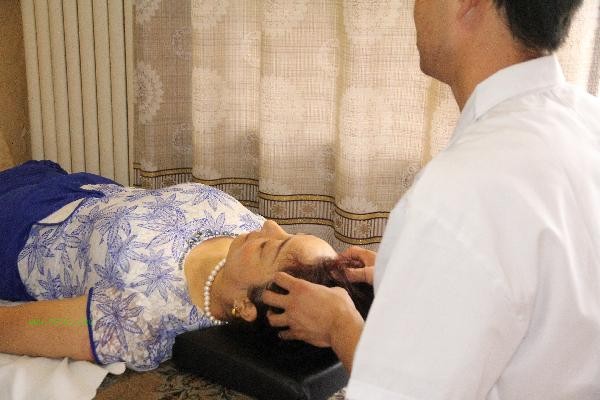
4. Tuina conditioning
Tuina techniques include kneading, pressing, rolling, etc., with a focus on the spleen meridian, liver meridian, and kidney meridian. Tuina can unblock meridians, improve joint function, and avoid acute attacks. Can be used in conjunction with traditional Chinese medicine ointment, once a day for 20-30 minutes each time, with 10 days as one course of treatment.
5. Dietotherapy assistance
Chinese medicine recommends Coix Seed Congee to invigorate the spleen and remove dampness, Tuckahoe decoction to clear heat and detoxify, and corn silk tea to urinate and excrete acid. Avoid eating high purine foods such as animal organs and seafood, and limit alcohol consumption. Long term adherence to dietary therapy, combined with medication treatment, can reduce the frequency of gout attacks. In addition to traditional Chinese medicine treatment, gout patients should pay attention to weight control and drink at least 2000 milliliters of water per day to promote uric acid excretion. Avoid intense exercise and joint injuries, and rest in bed during the acute phase. Regularly monitor blood uric acid levels, and if necessary, combine traditional Chinese and Western medicine for treatment. Maintain a regular schedule, regulate emotions, and avoid overexertion and mental stress. Strictly follow medical advice and do not discontinue medication or change treatment plans on your own.





Comments (0)
Leave a Comment
No comments yet
Be the first to share your thoughts!