
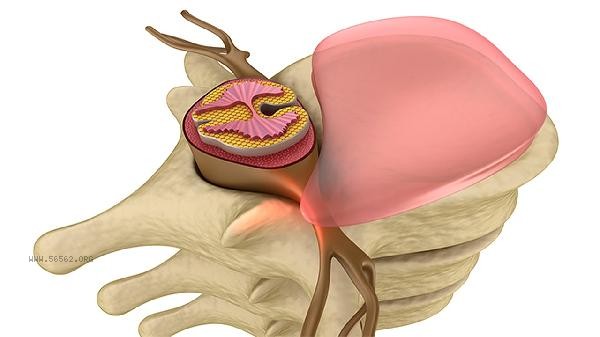
Ankylosing spondylitis cannot be completely cured through traditional Chinese medicine, but traditional Chinese medicine treatment can alleviate symptoms and delay the progression of the disease. Ankylosing spondylitis is a chronic inflammatory disease that mainly affects the axial joints and belongs to the rheumatic and autoimmune diseases.
1. Traditional Chinese Medicine Regulation
Traditional Chinese Medicine uses formulas such as Duhuo Parasitic Decoction and Bushen Zhuangjin Decoction to regulate qi and blood through syndrome differentiation and treatment. It has a certain relieving effect on patients with liver and kidney deficiency who exhibit symptoms such as soreness and weakness in the waist and knees, and obvious morning stiffness. Traditional Chinese patent medicines and simple preparations such as tripterygium wilfordii polyglycoside tablets have anti-inflammatory effects, but attention should be paid to hepatorenal toxicity.
2. acupuncture and moxibustion treatment
Select Jiaji point, Mingmen point and other points for filiform needle stimulation, and moxibustion on Shenshu point can improve local blood circulation. Some patients may experience temporary improvement in spinal mobility, but require long-term adherence to 2-3 treatments per week.
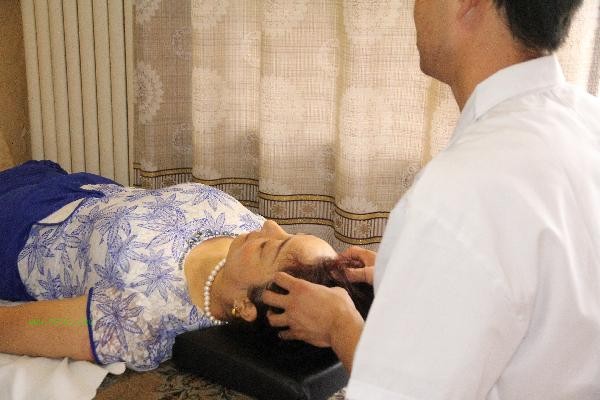
3. Tuina techniques
use rolling, shaking, and other methods to release soft tissue adhesions around the spine, which have a significant effect on early joint movement limitation. During the acute inflammatory phase, manual therapy should be avoided to prevent worsening of inflammatory reactions.

4. Guiding Techniques
Traditional techniques such as Eight Section Brocade and Five Animal Play maintain joint mobility through slow stretching, making them particularly suitable for patients with limited chest movement to practice daily and requiring respiratory training.
5. External treatment therapy
Traditional Chinese medicine fumigation using medicinal herbs such as cassia twig and windbreak can alleviate muscle spasms, and plaster application has a temporary inhibitory effect on local pain. People with sensitive skin should be alert to contact dermatitis. Patients should engage in low impact exercises such as swimming every week to maintain spinal flexibility, and sleep on a hard bed to maintain physiological curvature. Regularly monitor inflammatory indicators such as erythrocyte sedimentation rate and C-reactive protein, and combine traditional Chinese medicine treatment with Western anti-inflammatory drugs. When severe hunchback or hip stiffness occurs, surgical treatment such as total hip replacement should be considered. This disease requires long-term management, and any treatment should aim to control inflammation and maintain function.






Comments (0)
Leave a Comment
No comments yet
Be the first to share your thoughts!