
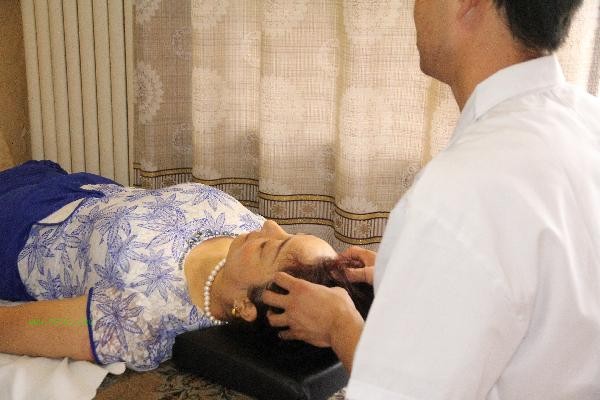
Late stage lung adenocarcinoma cannot be completely cured through traditional Chinese medicine treatment, but it can assist in relieving symptoms and improving quality of life. Traditional Chinese medicine treatment is mainly used as a supplement to Western medicine treatment, and personalized plans need to be developed based on the specific situation of the patient. Traditional Chinese Medicine treatment for advanced stage lung adenocarcinoma mainly improves the overall condition of patients by strengthening the body and regulating qi and blood. Common methods include Chinese herbal decoction, acupuncture and moxibustion, moxibustion, etc., which can help reduce the side effects of radiotherapy and chemotherapy, such as nausea, vomiting, fatigue, etc. Some traditional Chinese medicines such as Huangqi and Codonopsis have immunomodulatory effects, which may delay tumor progression. However, it should be noted that the ingredients of traditional Chinese medicine are complex and may interact with other therapeutic drugs, and must be prescribed by a professional Chinese medicine practitioner. The core treatment for advanced stage lung adenocarcinoma still relies mainly on Western medicine methods, including targeted therapy, immunotherapy, etc. Traditional Chinese medicine cannot replace these treatment methods, and using them alone may lead to delayed treatment. Some patients have high expectations of traditional Chinese medicine and refuse to receive standardized Western medical treatment, which actually accelerates the deterioration of the disease. When the tumor volume is too large or has undergone extensive metastasis, the effectiveness of traditional Chinese medicine treatment is more limited.
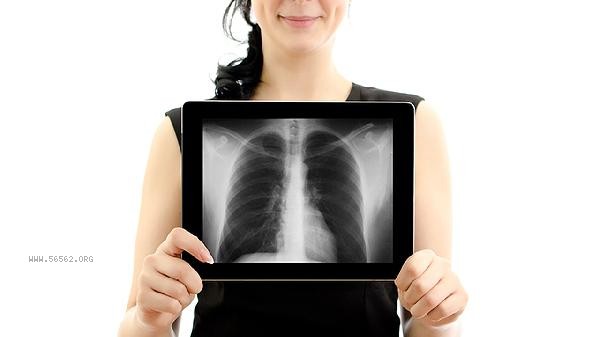
It is recommended that patients develop a comprehensive treatment plan under the guidance of oncologists, using traditional Chinese medicine as an auxiliary tool. During the treatment period, it is necessary to regularly review and evaluate the efficacy to avoid blindly relying on a single therapy. Maintain a balanced diet, supplement high-quality protein such as fish and soy products in moderation, and avoid spicy and stimulating foods. Perform gentle exercises such as walking and Tai Chi based on physical condition, but avoid overexertion. Family members should pay attention to the patient's psychological state and promptly alleviate anxiety and depression.





Comments (0)
Leave a Comment
No comments yet
Be the first to share your thoughts!