
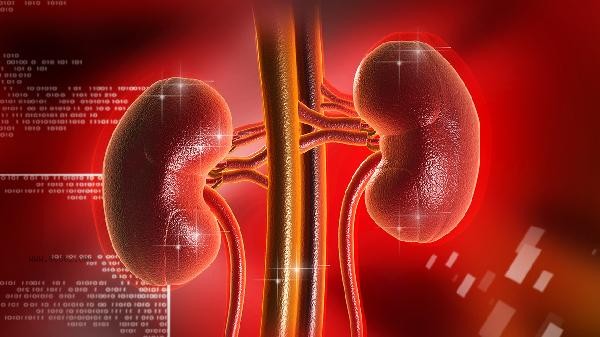
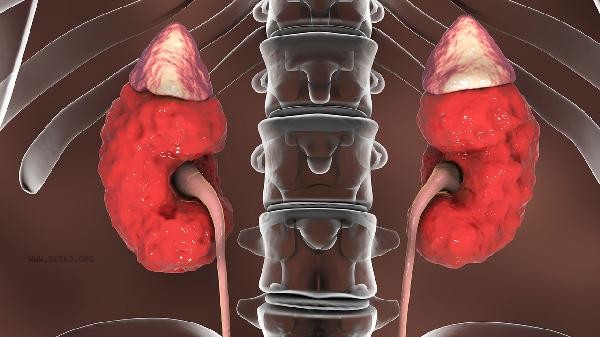
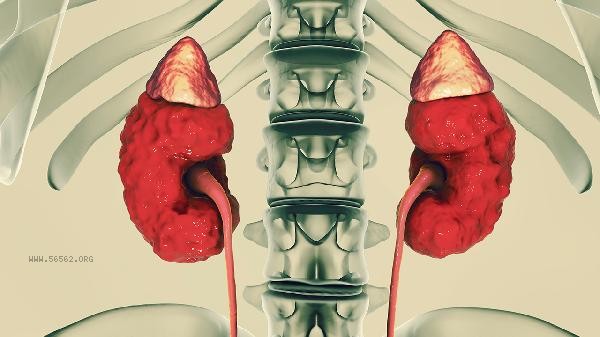
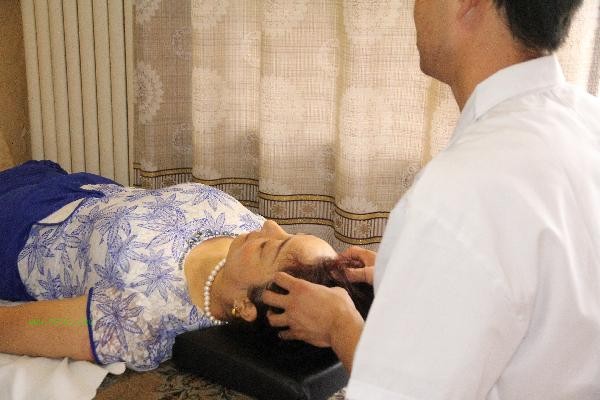
Traditional Chinese medicine cannot completely cure chronic nephritis, but it can alleviate symptoms and delay the progression of the disease. Chronic nephritis belongs to chronic kidney disease, and traditional Chinese medicine treatment mainly works by regulating qi and blood, improving kidney function, and reducing proteinuria. The core of traditional Chinese medicine treatment for chronic nephritis lies in the differentiation of symptoms and treatment. According to the differences in patients' physical constitution and symptoms, treatment methods such as tonifying qi and spleen, promoting blood circulation and removing blood stasis, and promoting diuresis and dampness infiltration are often adopted. Commonly used formulas include Liuwei Dihuang Wan, Jinkui Shenqi Wan, and Shenling Baizhu San, which can improve symptoms such as lower back pain, fatigue, and edema. Acupuncture and moxibustion points such as Shenshu and Zusanli are selected to help regulate immune function. Some Chinese herbal medicines such as Astragalus membranaceus, Salvia miltiorrhiza, Poria cocos, etc. have anti-inflammatory and kidney protective effects, and can reduce proteinuria excretion. Modern medicine believes that chronic nephritis involves irreversible nephron damage. Although traditional Chinese medicine treatment can significantly improve clinical symptoms, it cannot reverse the fibrotic kidney tissue. For patients with significantly elevated creatinine or severely decreased glomerular filtration rate, symptomatic treatment such as Western medicine antihypertensive and diuretic therapy is still necessary. Traditional Chinese medicine is more suitable for patients in the early and middle stages, improving their quality of life by delaying the deterioration of kidney function. Patients with chronic nephritis need to regularly monitor blood pressure, urine routine, and renal function indicators. Diet should control salt and high-quality protein intake to avoid fatigue and infection. Traditional Chinese medicine conditioning requires a prolonged period of time, and patients should maintain a regular daily routine and engage in moderate exercise such as Ba Duan Jin and Tai Chi.





Comments (0)
Leave a Comment
No comments yet
Be the first to share your thoughts!