
Gastritis patients can seek help from traditional Chinese medicine, which can assist in improving symptoms and regulating gastrointestinal function through syndrome differentiation and treatment. Gastritis in traditional Chinese medicine mostly belongs to symptoms such as epigastric pain and fullness, which are related to factors such as spleen and stomach weakness, liver stomach disharmony, and damp heat accumulation.

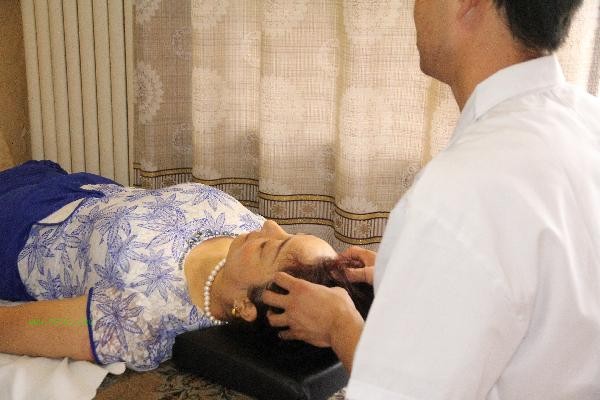
Traditional Chinese medicine treatment for gastritis focuses on overall regulation and eradication of the underlying causes. Traditional Chinese medicine decoctions such as Banxia Xiexin Tang can harmonize cold and heat to alleviate stomach bloating, while Xiangsha Liujunzi Wan is suitable for patients with spleen and stomach deficiency cold type. Acupuncture and moxibustion at Zhongwan, Zusanli and other acupoints can regulate gastrointestinal peristalsis, and moxibustion at Shenque has a significant effect on stomach pain of deficiency cold type. Tuina techniques such as massaging the abdomen and pressing the Neiguan can alleviate acute gastric spasms. TCM diet regulation emphasizes timing and quantification, avoiding cold and spicy food, and recommends millet porridge, yam and other spleen strengthening foods. For gastritis with clear causes such as Helicobacter pylori infection, Western medicine should be given priority for standardized treatment, and traditional Chinese medicine can be used as an auxiliary method. When acute erosive gastritis is accompanied by bleeding and other critical conditions, immediate medical attention should be sought instead of relying solely on traditional Chinese medicine. Long term use of traditional Chinese medicine requires monitoring of liver and kidney function to avoid the misuse of hepatotoxic herbs such as Polygonum multiflorum. Patients with gestational gastritis must consult a physician before using traditional Chinese medicine. When patients with gastritis are treated with traditional Chinese medicine, they should choose a licensed TCM practitioner from a regular TCM hospital and provide a detailed medical history and examination report. During the treatment period, record changes in symptoms. If the symptoms do not improve or worsen after two weeks, a follow-up visit is required to adjust the plan. It is recommended to conduct modern medical examinations such as gastroscopy simultaneously, as the synergistic use of traditional Chinese and Western medical methods yields better results. Daily combination of acupoint massage and Eight Section Brocade exercise to avoid the influence of emotional factors such as excessive anxiety.






Comments (0)
Leave a Comment
No comments yet
Be the first to share your thoughts!