
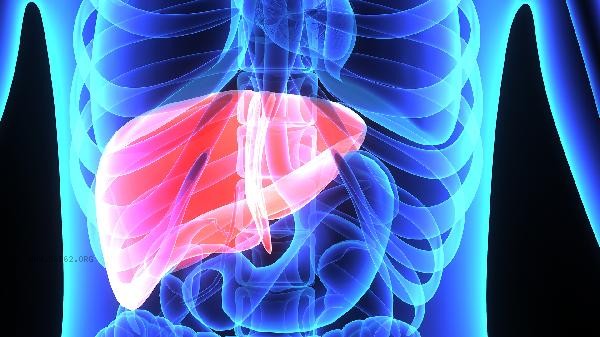
Routine physical examination can usually detect partial hepatitis, but it needs to be judged based on specific examination items. Hepatitis screening mainly relies on liver function testing, virological biomarker testing, imaging examinations, and other items. If these items are included in routine physical examinations, hepatitis may be detected. The routine physical examination package often includes liver function indicators such as alanine aminotransferase and aspartate aminotransferase testing. When the values exceed the normal range, it can indicate liver cell inflammation. Some physical examination institutions will add hepatitis B surface antigen screening, which can directly detect hepatitis B virus infection. Abdominal ultrasound examination can observe changes in liver morphology and has a high detection rate for secondary changes such as fatty liver and cirrhosis. However, special items such as hepatitis C antibodies and autoimmune hepatitis antibodies usually require separate testing, which may be missed in regular physical examinations. For high-risk individuals with long-term alcohol consumption and a family history, it is recommended to increase hepatitis screening in addition to routine physical examinations. If mild elevation of transaminase is found during physical examination, it may be related to non pathological factors, such as transient abnormalities after vigorous exercise, alcohol consumption, or medication. However, when there is persistent abnormality or accompanied by elevated bilirubin and positive viral markers, it is necessary to be alert to the possibility of viral hepatitis, alcoholic liver disease, etc. Some early hepatitis patients may have completely normal liver function indicators, only showing non-specific symptoms such as fatigue and decreased appetite. At this time, routine physical examinations are prone to false negative results.
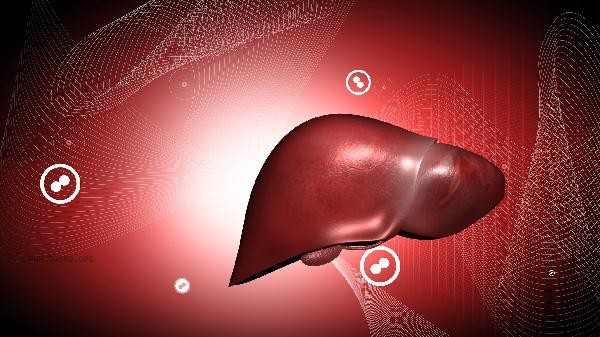
It is recommended that individuals with hepatitis risk factors choose a physical examination package that includes hepatitis virus markers, and avoid drinking alcohol and vigorous exercise for 3 days before the physical examination. If the results are abnormal, seek medical attention for re examination as soon as possible, and if necessary, perform diagnostic tests such as liver biopsy. Daily attention should be paid to a light diet, limiting the intake of high-fat foods, avoiding the use of drugs that can damage the liver, and regularly monitoring changes in liver function.








Comments (0)
Leave a Comment
No comments yet
Be the first to share your thoughts!