
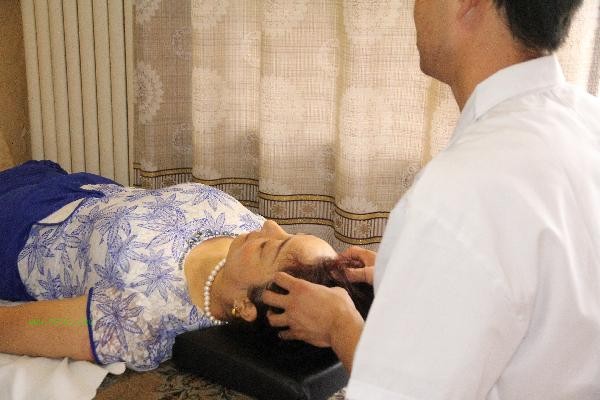
Traditional Chinese medicine treatment for rhinitis may be effective, but the specific effects vary from person to person. Rhinitis is usually caused by allergy, infection, environmental stimulation and other factors. Traditional Chinese medicine treatment mainly includes traditional Chinese medicine conditioning, acupuncture and moxibustion, moxibustion and other methods. For patients with mild rhinitis, traditional Chinese medicine treatment may alleviate symptoms; For patients with severe or chronic rhinitis, it may be necessary to combine Western medicine treatment. Traditional Chinese Medicine (TCM) mainly treats rhinitis by regulating the constitution and improving the circulation of qi and blood to alleviate symptoms. Traditional Chinese medicine commonly uses medicinal herbs such as Xinyi, Cang Er Zi, Bai Zhi, etc., which have the effects of opening the orifices, dispelling wind, and dispersing cold. Acupuncture and moxibustion can select Yingxiang point, Yintang point and other points to help improve nasal ventilation. Moxibustion may alleviate symptoms such as nasal congestion and runny nose by warming and stimulating acupoints. After being treated with traditional Chinese medicine, some patients may experience a significant reduction in their symptoms of rhinitis. For patients with allergic rhinitis or combined sinusitis, traditional Chinese medicine treatment alone may have limited effectiveness. Allergic rhinitis requires avoiding contact with allergens, and in severe cases, antihistamines should be used in combination. When combined with bacterial infections, antibiotic treatment may be necessary. Patients with nasal polyps or structural nasal congestion may require surgical intervention. For patients with long-term chronic rhinitis, integrated traditional Chinese and Western medicine treatment may be more effective. Patients with rhinitis should pay attention to keeping their nasal cavity clean and avoid contact with irritants such as cold air and dust. Exercise appropriately to enhance physical fitness, have a light diet, and avoid spicy and stimulating foods. It is recommended to seek treatment under the guidance of a professional traditional Chinese medicine practitioner and have regular follow-up visits to evaluate the efficacy. If the symptoms persist or worsen, seek medical attention promptly to adjust the treatment plan.





Comments (0)
Leave a Comment
No comments yet
Be the first to share your thoughts!