
Renal vascular stenosis can indeed cause an increase in blood pressure, which is called renal vascular hypertension. Renal artery stenosis leads to a decrease in renal blood flow, stimulating the renin-angiotensin system and causing an increase in blood pressure. The treatment methods include drug therapy, interventional therapy, and surgical treatment.
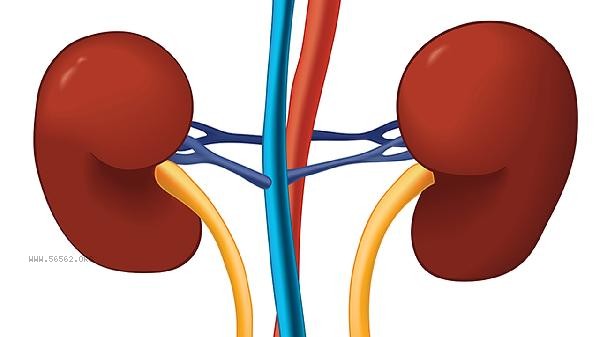
1. Causes of renal vascular stenosis
Renal vascular stenosis may be caused by multiple factors. Atherosclerosis is the most common cause, especially in middle-aged and elderly people, the deposition of vascular wall fat leads to narrowing of the lumen. Fibromuscular dysplasia is more common in young women, with abnormal proliferation of fibrous tissue in the middle layer of the vascular wall. Trauma, inflammation, or congenital vascular malformation may also lead to renal artery stenosis.
2. The mechanism of renal vascular hypertension
Renal artery stenosis leads to reduced renal blood flow, which stimulates the release of renin from the periglomerular apparatus. Renin converts angiotensinogen into angiotensin I, and then into angiotensin II through the pulmonary circulation. Angiotensin II has a strong vasoconstrictive effect, and at the same time stimulates aldosterone secretion, leading to water and sodium retention, which together lead to increased blood pressure.
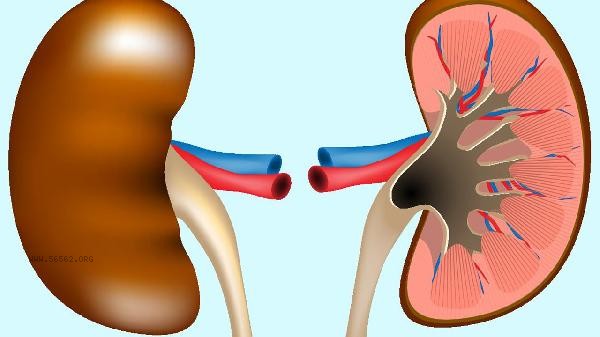
3. Treatment Methods
Drug therapy is the foundation, and commonly used drugs include angiotensin-converting enzyme inhibitors such as enalapril and benazepril, angiotensin II receptor antagonists such as valsartan and losartan, and calcium channel blockers such as amlodipine and nifedipine. Interventional treatments such as renal artery balloon dilation and stent implantation can effectively improve blood flow. For severe cases, renal artery bypass surgery or nephrectomy may be necessary choices.
4. Lifestyle Adjustment
In terms of diet, it is recommended to have a low salt and low-fat diet, and increase foods rich in potassium and magnesium such as bananas and spinach. Moderate exercise such as walking and swimming can help control blood pressure, but vigorous exercise should be avoided. Smoking cessation, alcohol restriction, stress reduction, and ensuring adequate sleep are also important measures. Hypertension caused by renal vascular stenosis requires comprehensive treatment, and early diagnosis and intervention are crucial. Patients should regularly monitor their blood pressure, take medication according to medical advice, and maintain a healthy lifestyle. If stubborn hypertension or renal dysfunction occurs, timely medical attention should be sought to assess whether intervention or surgical treatment is necessary. Through scientific management and active treatment, most patients can effectively control their blood pressure, reduce the risk of complications, and improve their quality of life.








Comments (0)
Leave a Comment
No comments yet
Be the first to share your thoughts!