
Renal artery stenosis can indeed cause elevated blood pressure, which is secondary hypertension caused by reduced renal blood flow. Treatment includes drug therapy, interventional therapy, and surgical treatment.
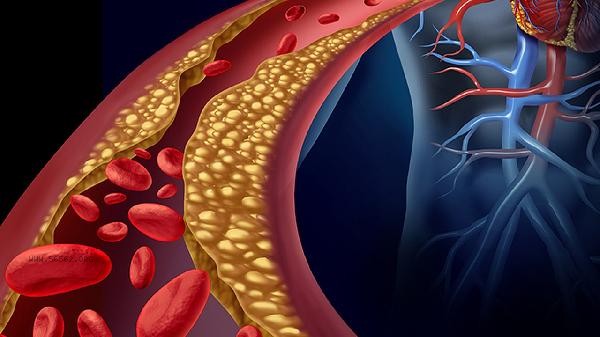
The main reason for the increase of blood pressure due to renal artery stenosis is the decrease of renal blood flow, activation of renin angiotensin aldosterone system, which causes vasoconstriction and sodium water retention. Genetic factors, atherosclerosis and fibromuscular dysplasia are common causes. Environmental factors such as high salt diet, smoking, obesity, etc. may also exacerbate the condition. Physiological factors such as aging and chronic kidney disease can also increase the risk. Trauma or surgery may cause damage to the renal artery, leading to stenosis. Drug therapy is the preferred option, with commonly used drugs including angiotensin-converting enzyme inhibitors such as captopril, angiotensin II receptor antagonists such as losartan, and calcium channel blockers such as amlodipine. These drugs can effectively control blood pressure and improve renal blood flow. Interventional treatments such as percutaneous renal angioplasty and stent implantation can directly dilate narrow renal arteries and restore blood flow. Surgical treatment such as renal artery bypass grafting is suitable for complex cases or patients who have failed interventional therapy. Dietary adjustments and exercise are also important auxiliary measures. A low salt diet can help control blood pressure, and it is recommended to consume no more than 5 grams of salt per day. Foods rich in potassium, such as bananas and spinach, help balance electrolytes in the body. Moderate exercise such as brisk walking and swimming can improve cardiovascular health and lower blood pressure. Engaging in at least 150 minutes of moderate intensity exercise per week can help control the condition. The elevation of blood pressure caused by renal artery stenosis requires comprehensive treatment, and early diagnosis and intervention are key. Regular physical examinations, especially for high-risk populations, can detect renal artery stenosis early and take timely treatment measures to avoid worsening of the condition. Through drug therapy, interventional therapy, surgical treatment, and lifestyle adjustments, blood pressure can be effectively controlled, quality of life can be improved, and complications can be prevented.








Comments (0)
Leave a Comment
No comments yet
Be the first to share your thoughts!