
Physical examination can detect hepatitis B, mainly through the five tests of hepatitis B and liver function test to determine whether or not to be infected with hepatitis B virus.
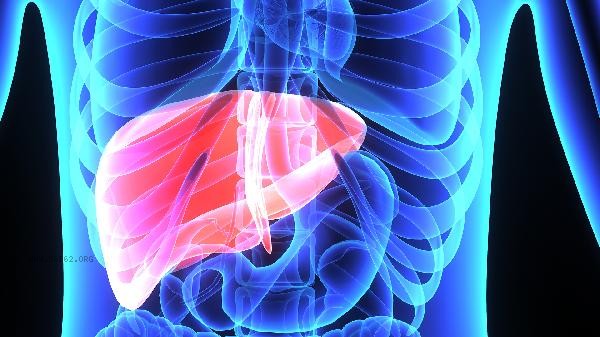
The five tests for hepatitis B include five indicators: hepatitis B surface antigen, hepatitis B surface antibody, hepatitis B e antigen, hepatitis B e antibody and hepatitis B core antibody. Positive hepatitis B surface antigen indicates the presence of hepatitis B virus infection, and positive hepatitis B surface antibody indicates that there is protective antibody in the body. Hepatitis B e antigen positive reflects the active replication and strong infectivity of the virus. Hepatitis B E antibody positive indicates that the virus replication is weakened. Positive hepatitis B core antibody indicates that hepatitis B virus has been infected. Liver function tests can evaluate the degree of liver damage, including indicators such as alanine aminotransferase, aspartate aminotransferase, and total bilirubin. Elevated levels of alanine aminotransferase and aspartate aminotransferase indicate liver cell damage, while elevated total bilirubin may reflect bile excretion disorders.
It is recommended to conduct hepatitis B related examinations on a regular basis, especially for high-risk groups such as medical staff, people who often contact with blood products, hepatitis B patients' families, etc. In daily life, attention should be paid to avoiding sharing personal items such as toothbrushes and razors with others, avoiding unclean injection and blood transfusion. hepatitis B vaccination can effectively prevent hepatitis B virus infection. If hepatitis B virus infection is found in the examination, seek medical advice in a timely manner, and carry out standardized treatment and regular follow-up under the guidance of doctors.








Comments (0)
Leave a Comment
No comments yet
Be the first to share your thoughts!