
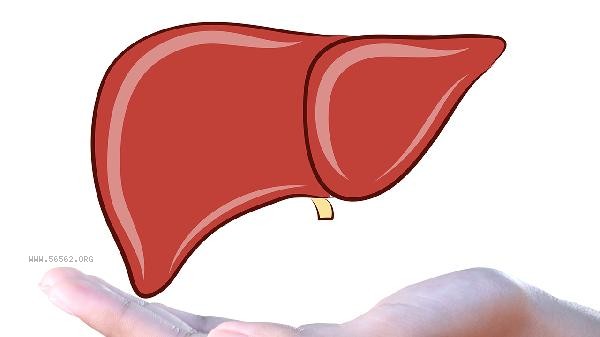
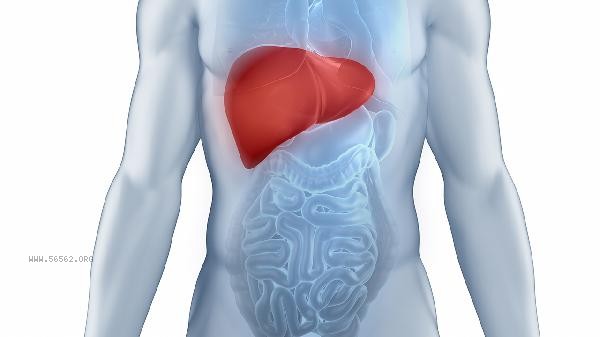
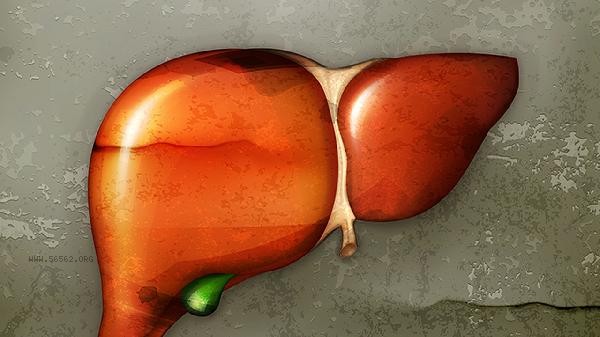
Moderate fatty liver may develop into cirrhosis, but not all patients will progress to this stage. The development of fatty liver is closely related to factors such as disease control and lifestyle intervention. Fatty liver is usually a reversible lesion in the early stages, especially in the stage of simple fatty liver. When the accumulation of liver fat reaches a moderate level, liver cells begin to exhibit inflammatory reactions and fibrotic changes. If weight control, dietary adjustments, and increased exercise can be achieved in a timely manner during this stage, the liver lesions of most patients can gradually improve. Key intervention measures include reducing high-fat and high sugar diet intake, quitting alcohol, and regular aerobic exercise. After lifestyle adjustments, some patients' liver ultrasound examination and liver function indicators can return to normal. If fatty liver continues to progress to the stage of non-alcoholic fatty liver disease, the degree of liver cell damage and fibrosis will gradually worsen. Patients who have not been effectively controlled for a long time may experience continuous proliferation of liver fibrous tissue, ultimately forming pseudo lobular structures. In this case, about 15-20% of patients may develop cirrhosis within 10-15 years. High risk factors include diabetes, metabolic syndrome, persistent liver dysfunction, etc. Such patients need to undergo anti fibrotic treatment under the guidance of a doctor and regularly monitor indicators such as liver elastography. Patients with fatty liver should undergo liver ultrasound and liver function check ups every 6-12 months to maintain a body mass index between 18.5-23.9. Daily dietary recommendations include adopting a Mediterranean diet pattern, prioritizing whole grains, deep-sea fish, and fresh vegetables and fruits. At the same time, it is necessary to avoid using drugs that may damage the liver and ensure moderate intensity exercise for more than 30 minutes per day. When symptoms such as fatigue, bloating, and jaundice occur, timely medical evaluation should be sought.








Comments (0)
Leave a Comment
No comments yet
Be the first to share your thoughts!