
Mild fatty liver may lead to mild elevation of transaminases, but not all patients will experience this phenomenon. Mild fatty liver is usually caused by the accumulation of liver fat and may be accompanied by mild abnormalities in liver function. In patients with mild fatty liver, some individuals may experience mild elevation of transaminases, especially alanine aminotransferase and aspartate aminotransferase. This situation is usually related to mild damage to liver cells caused by fat deposition. The degree of transaminase elevation is often mild, mostly within 1-2 times the upper limit of normal values. At this point, the liver still has a certain compensatory ability, and by adjusting lifestyle and dietary structure, transaminase levels may gradually return to normal. A small number of patients with mild fatty liver may have completely normal transaminases, which is related to individual differences, degree of fat deposition, and liver metabolic capacity. Even if the transaminase is normal, it does not mean that the presence of fatty liver can be ignored, as long-term fat accumulation may still progress to more severe liver lesions. For patients with sustained elevation or significant fluctuations in transaminase levels, further examination is needed to rule out other liver diseases.
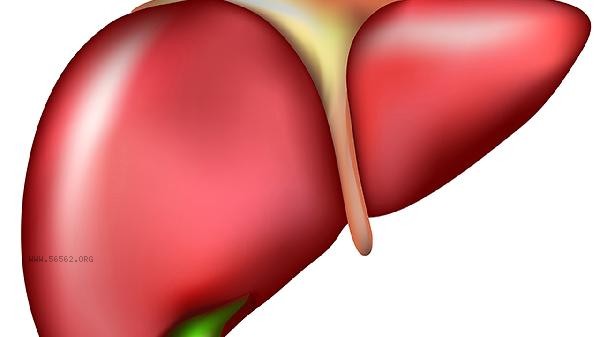
It is recommended that patients with mild fatty liver regularly monitor liver function indicators, maintain a low-fat and low sugar diet, control their weight within the normal range, and avoid alcohol and drug abuse. Properly increasing aerobic exercise can help improve liver metabolic function. If the transaminase continues to be abnormal or symptoms such as fatigue and decreased appetite appear, timely medical attention should be sought for professional evaluation and treatment.









Comments (0)
Leave a Comment
No comments yet
Be the first to share your thoughts!