
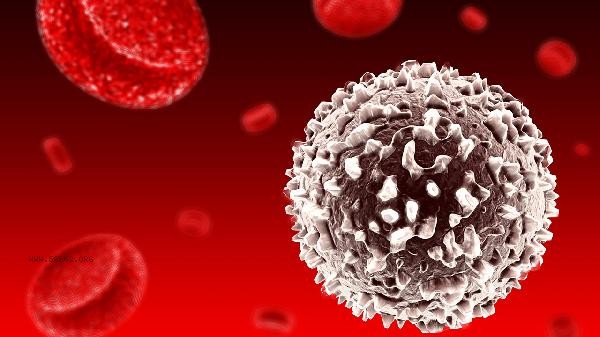
Low white blood cell count usually leads to weakened immunity. White blood cells are an important component of the human immune system, responsible for resisting pathogen invasion. A decrease in their number can weaken their defense function. Low white blood cell count may be caused by various reasons. Viral infections such as influenza and hepatitis may inhibit bone marrow hematopoietic function, leading to temporary reduction of white blood cells. Long term exposure to radiation or benzene based chemicals can damage bone marrow hematopoietic stem cells and cause persistent leukopenia. Autoimmune diseases such as systemic lupus erythematosus may produce abnormal antibodies to attack their own white blood cells. Certain medications such as chemotherapy drugs, antibiotics, and anti thyroid drugs may also cause leukopenia. Nutritional deficiencies, especially vitamin B12 and folate deficiency, can affect white blood cell production. When the white blood cell count is low, symptoms such as repeated infections, slow wound healing, and persistent low-grade fever may occur. Maintain a balanced diet in daily life, and consume high-quality protein and vitamin rich foods in moderation. Avoid raw and cold foods and crowded places, pay attention to hand hygiene and oral hygiene. Regularly monitor changes in blood routine and avoid self medication that may affect white blood cells. If you experience persistent fever or infection symptoms, seek medical attention promptly. Doctors may use drugs such as recombinant human granulocyte colony-stimulating factor based on the cause, and in severe cases, bone marrow examination may be necessary.








Comments (0)
Leave a Comment
No comments yet
Be the first to share your thoughts!