
Low white blood cell count may increase the probability of recurrent colds. White blood cells are an important component of the human immune system, primarily responsible for resisting pathogen invasion. When the number of white blood cells decreases, the body's defense against pathogens such as viruses and bacteria decreases, making it more prone to recurrent colds. There are many reasons for low white blood cell count, including viral infections, drug effects, and nutritional deficiencies. Viral infections such as influenza virus, EB virus, etc. can directly inhibit bone marrow hematopoietic function, leading to a decrease in white blood cell production. Certain medications such as chemotherapy drugs, antibiotics, immunosuppressants, etc. may also cause leukopenia. Long term deficiency of nutrients such as protein, vitamin B12, folate, etc. can affect white blood cell synthesis. In addition, pathological factors such as autoimmune diseases and hematological disorders such as aplastic anemia and myelodysplastic syndrome can also lead to sustained low white blood cell count.
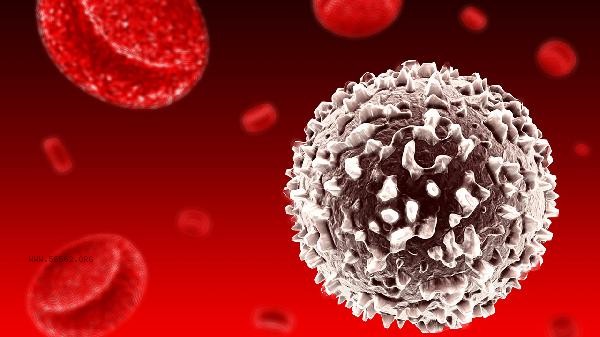
For recurrent colds caused by low white blood cell count, it is necessary to address the specific reasons. If caused by viral infection, the white blood cell count usually gradually recovers as the virus is cleared. Medication related factors require adjustment of medication plans under the guidance of a doctor. Nutrient deficient individuals should improve their dietary structure and increase their intake of high-quality protein, dark vegetables, animal liver, and other foods appropriately. The primary disease caused by pathological factors requires active treatment, and if necessary, white blood cell boosting drugs such as recombinant human granulocyte colony-stimulating factor injection, Liriojun tablets, vitamin B4 tablets, etc. can be used under the guidance of a doctor. People with low white blood cell count need to strengthen their daily protection, maintain a regular schedule, and avoid excessive fatigue. Pay attention to personal hygiene, wash hands frequently, wear masks when going out, and reduce activities in crowded places. Adjust clothing in a timely manner according to weather changes to prevent catching a cold. Ensure a balanced diet and supplement foods rich in high-quality protein, vitamins, and minerals in moderation. Regularly review blood routine and monitor changes in white blood cells. If the symptoms of recurrent colds worsen or persist, seek medical attention promptly to investigate potential illnesses.









Comments (0)
Leave a Comment
No comments yet
Be the first to share your thoughts!