
Low red blood cell count may lead to dizziness and fatigue. Low red blood cell count is usually related to factors such as anemia, blood loss, and abnormal bone marrow hematopoietic function. When the number of red blood cells in the blood decreases, the oxygen carrying capacity decreases, which may cause symptoms such as dizziness and fatigue. When red blood cells are low, the ability of the blood to carry oxygen is weakened, resulting in insufficient oxygen supply to various tissues and organs in the body. The brain is more sensitive to hypoxia and may experience symptoms such as dizziness and lack of concentration. When there is insufficient oxygen supply to muscle tissue, it is easy to feel fatigue and weakness. Long term low red blood cell count may also be accompanied by pale complexion, palpitations, decreased appetite, and other symptoms. Mild anemia patients may only present with mild dizziness, which can be relieved with appropriate rest. When the red blood cell count is severely low, the symptoms of dizziness and fatigue will significantly worsen, and slight activity may cause fatigue, and even serious symptoms such as fainting and difficulty breathing may occur. In certain special circumstances, such as a sudden decrease in red blood cells caused by acute massive bleeding, it may lead to dangerous situations such as shock. The sustained low red blood cell count caused by bone marrow hematopoietic dysfunction requires timely medical attention to clarify the cause.
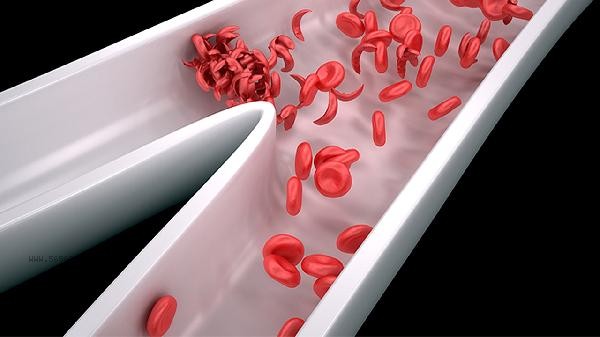
It is recommended that patients with low red blood cells pay attention to a balanced diet and increase their intake of foods rich in iron, folate, and vitamin B12, such as lean meat, animal liver, and dark green vegetables. Avoid strenuous exercise and ensure adequate rest. If the symptoms of dizziness and fatigue persist or worsen, timely medical examination should be sought to clarify the specific cause of low red blood cells, and targeted treatment should be carried out under the guidance of a doctor. Regularly review blood routine and monitor changes in red blood cell levels.








Comments (0)
Leave a Comment
No comments yet
Be the first to share your thoughts!