
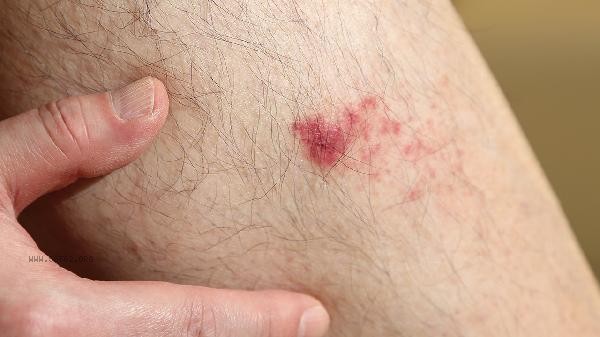
Low platelet count can lead to skin bruising. thrombocytopenia can affect coagulation function, leading to spontaneous bruising of the skin or difficulty in stopping bleeding after minor trauma. It is commonly seen in immune thrombocytopenia, aplastic anemia, leukemia, and other diseases. Platelets are an important component of blood involved in coagulation, with a normal value of 100-300 × 10 ⁹/L. When the platelet count is below 50 × 10 ⁹/L, there may be a tendency for skin and mucosal bleeding, manifested as needle sized bleeding points or patchy bruising, which are more common in the distal limbs and compressed areas. If the platelet count further drops below 20 × 10 ⁹/L, it may be accompanied by nosebleeds, gum bleeding, and even visceral bleeding. Patients with thrombocytopenic purpura often experience increased destruction of platelets due to immune system attacks, while abnormalities in bone marrow hematopoietic function such as aplastic anemia can lead to insufficient platelet production. Partial viral infections such as dengue fever and cytomegalovirus infection may also cause temporary thrombocytopenia. For patients with mild thrombocytopenia and no active bleeding, measures such as avoiding vigorous exercise and using a soft bristled toothbrush can be taken to prevent injury. Moderate to severe reduction requires the use of recombinant human thrombopoietin injection, dexamethasone acetate tablets, and other drugs as prescribed to promote platelet production or suppress immune damage. If it is caused by blood system tumors such as leukemia, it may require injection of chemotherapy drugs such as cyclophosphamide or hematopoietic stem cell transplantation. Daily consumption of medications such as aspirin that affect platelet function should be avoided. Consuming vegetables such as broccoli and spinach that are rich in vitamin K can help maintain clotting factor activity. However, it should be noted that the dietary regulatory effect is limited when severe thrombocytopenia occurs, and prompt diagnosis and evaluation of the cause should be sought at a hematology clinic.








Comments (0)
Leave a Comment
No comments yet
Be the first to share your thoughts!