
Liver function tests generally cannot directly detect hepatitis C, but can indicate liver damage. The diagnosis of hepatitis C virus infection relies on hepatitis C antibody testing and hepatitis C virus RNA testing.
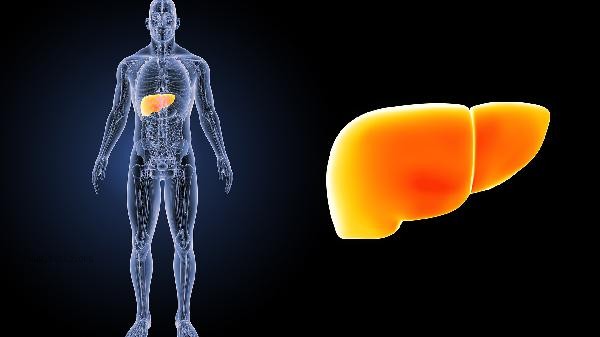
Liver function tests mainly reflect the degree of liver cell damage and liver function status by detecting indicators such as alanine aminotransferase, aspartate aminotransferase, and total bilirubin. When hepatitis C virus infection causes damage to liver cells, these indicators may appear abnormally elevated. However, abnormal liver function is not a specific manifestation of hepatitis C, and other liver diseases such as alcoholic liver disease and fatty liver disease can also cause similar changes. In clinical practice, it is common for some early hepatitis C infected individuals to have completely normal liver function indicators, while late stage cirrhosis patients may exhibit significant abnormalities in multiple indicators.

Diagnosis of hepatitis C requires specialized serological testing. Hepatitis C antibody testing can determine whether one has been infected with the virus, and a positive result requires further testing for hepatitis C virus RNA to confirm current infection. The hepatitis C core antigen testing conducted by some medical institutions can also assist in diagnosis. For high-risk individuals or those with abnormal liver function, doctors usually recommend combining liver function and hepatitis C specific testing.

It is recommended that individuals with a history of blood transfusion, surgery, tattoos, and other risk factors for hepatitis C infection undergo regular hepatitis C screening, even if their liver function is normal. Confirmed infected individuals should receive antiviral treatment as soon as possible, and the cure rate of modern direct antiviral drugs exceeds 95%. Strict abstinence from alcohol is necessary in daily life, avoiding the use of liver damaging drugs, maintaining a regular schedule and balanced diet, and regularly monitoring liver function and virological indicators.








Comments (0)
Leave a Comment
No comments yet
Be the first to share your thoughts!