
Liver function test can not directly detect hepatitis B, but can indicate the liver injury. The diagnosis of hepatitis B needs to be combined with hepatitis B two half, hepatitis B virus DNA detection and other special tests.

Liver function tests mainly reflect liver metabolism and synthesis function by detecting indicators such as transaminase, bilirubin, and albumin. When hepatitis B virus infection leads to hepatocyte damage, abnormal performances such as increased alanine aminotransferase and glutamic oxaloacetic aminotransferase, and decreased albumin may occur. However, these changes are not specific to hepatitis B. Alcoholic liver disease, drug-induced liver injury and other diseases can also cause similar results.
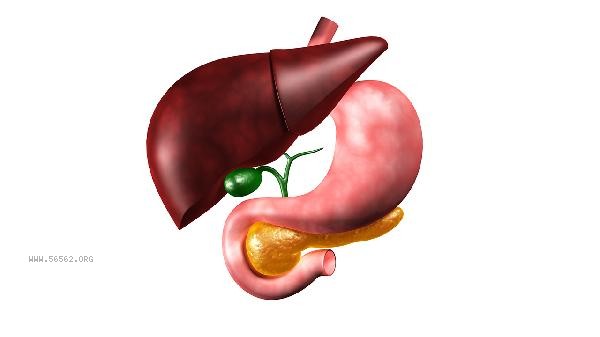
The diagnosis of hepatitis B must rely on serological tests. The two half and half check of hepatitis B can clarify the status of surface antigen, e antigen and other markers, and distinguish between acute and chronic infection and carriers. The detection of hepatitis B virus DNA can directly reflect the active degree of virus replication. Some patients with occult hepatitis B infection may have normal liver function but positive virus detection.
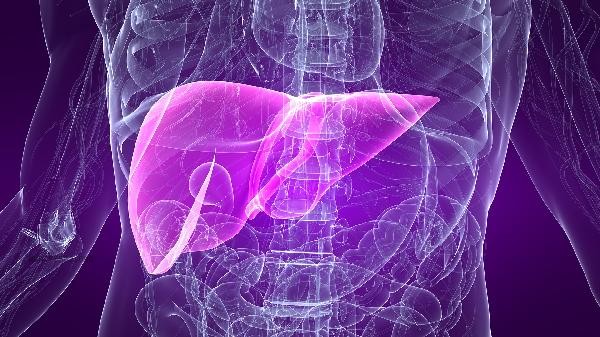
If the liver function is abnormal and the hepatitis B markers are positive, the degree of liver inflammation and fibrosis should be further evaluated. Suggest improving abdominal ultrasound, liver elasticity testing, or liver biopsy. Daily alcohol consumption should be avoided, liver damaging drugs should be used with caution, high-quality protein intake should be ensured, and liver function and virological indicators should be monitored regularly.








Comments (0)
Leave a Comment
No comments yet
Be the first to share your thoughts!