
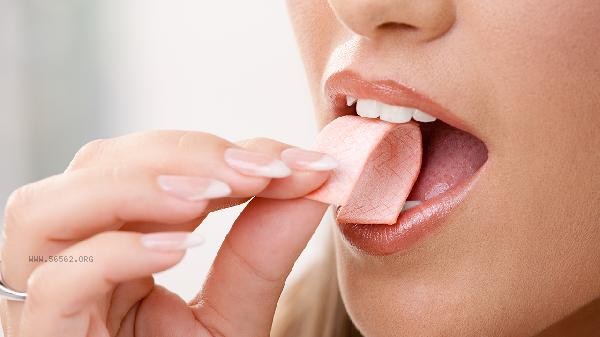
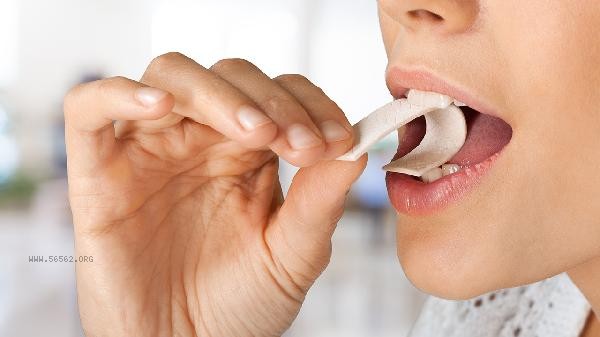
It is generally not recommended to eat chewing gum before a physical examination, as it may interfere with the accuracy of some test results. The sugar or sugar substitutes in chewing gum may affect blood glucose testing. Chewing movements can stimulate the secretion of digestive fluids and interfere with gastrointestinal related examinations. Some chewing gum containing peppermint ingredients may also affect special tests such as breath tests. Among the routine physical examination items, fasting blood glucose testing imposes the strictest dietary restrictions. Chewing gum may stimulate insulin secretion, leading to low blood sugar levels. Some chewing gum contains sugar substitutes such as sorbitol, which may accelerate intestinal peristalsis and interfere with abdominal ultrasound imaging. When using breath tests such as carbon-13 urea breath tests to detect Helicobacter pylori, peppermint components may affect the chemical reaction of the detection reagent. Frequent chewing before electrocardiogram examination may cause electromyographic interference, affecting waveform interpretation. Some medical institutions will explicitly require fasting and prohibition of drinking after oral hygiene, including the use of chewing gum. If the physical examination items only involve basic checks such as blood pressure, height, and weight, and it is confirmed that fasting blood tests or special tests are not included, occasional chewing of sugar free gum has a small impact on the results. But to ensure the reliability of the physical examination data, it is recommended to maintain an empty stomach for 8-12 hours before the examination and rinse the mouth with water instead of chewing gum to clean the mouth. After the physical examination, chewing gum can be used immediately to restore fresh breath. Before the physical examination, it is important to maintain a normal daily routine and avoid strenuous exercise and emotional fluctuations. Wear loose clothing for easy examination, and bring past medical examination reports for doctors' reference. After completing all the examination items, eat and drink water. If you have a history of dizziness, please inform the medical staff in advance. Regular physical examinations can help detect health hazards early, and it is recommended to develop personalized examination plans based on age and health status.









Comments (0)
Leave a Comment
No comments yet
Be the first to share your thoughts!