
Physical examinations can generally be conducted during menstruation, but certain items may be affected by menstruation. Female menstrual check ups should avoid gynecological examinations and urine tests, and other routine items are usually not affected. Routine blood tests can be performed normally during menstruation, but it should be noted that hormone levels may be in a physiological fluctuation stage. The hemoglobin value in the blood routine may be slightly lower than usual due to menstrual bleeding, and the physical examination report needs to be comprehensively evaluated in conjunction with the physiological cycle. The detection of liver and kidney function, blood glucose and lipid indicators is not affected by menstruation, and abdominal ultrasound examination should avoid the period of heavy bleeding in the first three days of menstruation. electrocardiogram, chest X-ray and other imaging examinations are not directly related to the menstrual cycle. Breast related examinations are recommended to be performed one week after the end of menstruation.
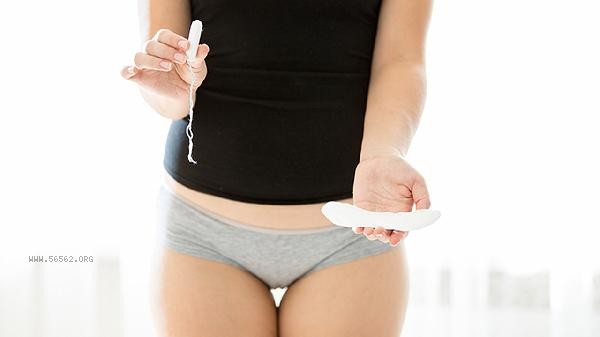
Special attention should be paid to urine routine examination, as the presence of menstrual blood may affect the accuracy of indicators such as red blood cells and white blood cells in urine. Gynecological examination items such as cervical scraping and vaginal colposcopy are recommended to be performed 3 days after the end of menstruation. The immune system during menstruation is relatively low, and invasive procedures may increase the risk of infection. Hysteroscopy and other examinations should be strictly avoided during menstruation. The six reproductive endocrine tests, including sex hormones, have special time requirements and usually require blood testing on the 2nd to 4th day of menstruation to reflect baseline hormone levels.
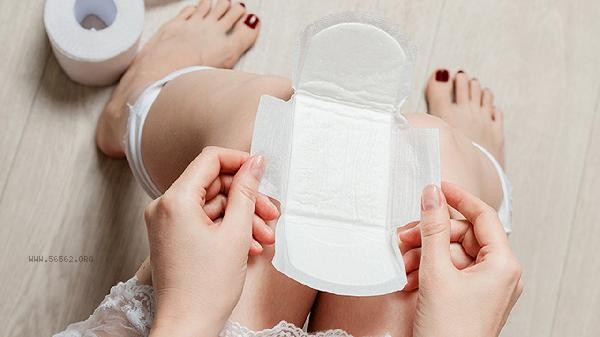
It is recommended to adjust the examination time according to the examination items, and if necessary, the examination can be completed in stages. Before the physical examination, fully inform the doctor of the current day of the menstrual cycle and wear loose clothing for easy examination. On the day of the menstrual examination, hygiene products can be prepared, vigorous exercise should be avoided, and normal diet and water should be maintained. Special projects require supplementary examinations according to medical advice, and the physical examination report needs to be interpreted by professional doctors in conjunction with physiological cycle factors.









Comments (0)
Leave a Comment
No comments yet
Be the first to share your thoughts!