
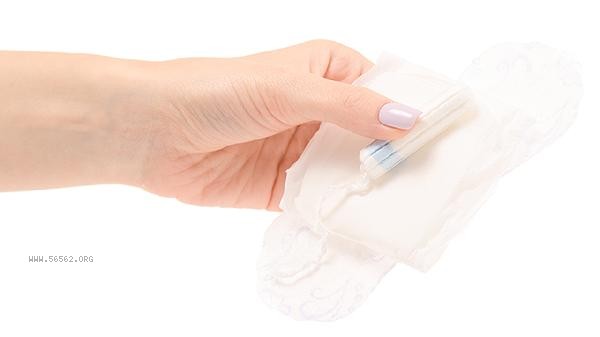
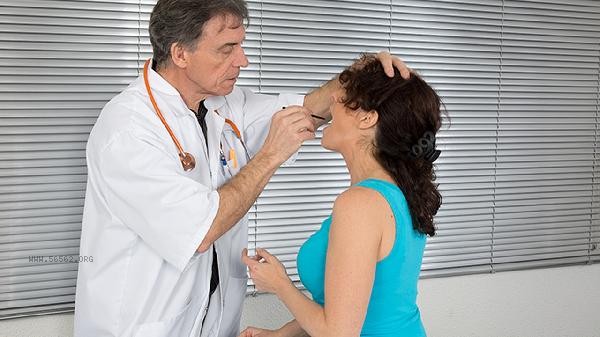
Generally, physical examinations can be conducted during menstruation, but some examination items may be affected by menstruation, so it is recommended to avoid them. Routine physical examination items such as blood routine, urine routine, liver and kidney function tests can usually be performed normally during menstruation and will not have a significant impact on the examination results. Gynecological examinations such as cervical smears and vaginal discharge tests may affect the accuracy of results due to menstrual blood interference. It is recommended to conduct the examination 3-7 days after the end of menstruation. Imaging examinations such as breast ultrasound and thyroid ultrasound are not affected by the menstrual cycle and can be performed normally. Some hormone tests, such as the six sex hormone tests, need to be performed during specific menstrual cycles and should be scheduled according to medical advice. electrocardiogram, chest X-ray and other examinations can also be completed normally during menstruation. Some invasive procedures such as hysteroscopy and hysterosalpingography should be avoided during menstruation to avoid increasing the risk of infection or affecting the examination results. Bone density testing may result in temporary data bias due to calcium loss during menstruation. In tumor marker examination, CA125 and other items may show physiological elevation during menstruation, which needs to be combined with clinical judgment. The coagulation function test may show abnormal indicators due to changes in the coagulation mechanism during menstruation. Partial immune function tests such as complement and immunoglobulin may be affected by hormonal fluctuations. Before the physical examination, the doctor should be informed that they are currently in their menstrual period, and the doctor should evaluate and adjust the examination items. It is recommended to choose breathable cotton sanitary products during menstrual check ups, and avoid using built-in sanitary tampons to avoid affecting some examinations. On the day of the physical examination, spare supplies can be prepared appropriately, and loose and comfortable clothing can be worn for easy inspection. After the physical examination, pay attention to keeping the perineum clean and avoid vigorous exercise or baths. After conducting a blood test, it is advisable to supplement with iron containing foods such as lean meat and animal liver to help prevent menstrual anemia. When abnormal indicators appear in the physical examination report, it is necessary to make a comprehensive judgment based on the menstrual cycle factors, and if necessary, confirm the results after the end of menstruation.








Comments (0)
Leave a Comment
No comments yet
Be the first to share your thoughts!