
When holding urine during a physical examination, it is possible to drink water in moderation, but it is important to control the timing and amount of drinking to ensure that the bladder is full and meets the examination requirements. It is generally recommended to drink 300-500 milliliters of warm water 1-2 hours in advance, which will not excessively affect holding urine and can help the bladder fill to the ideal state. Why do I have to hold my urine during a physical examination?
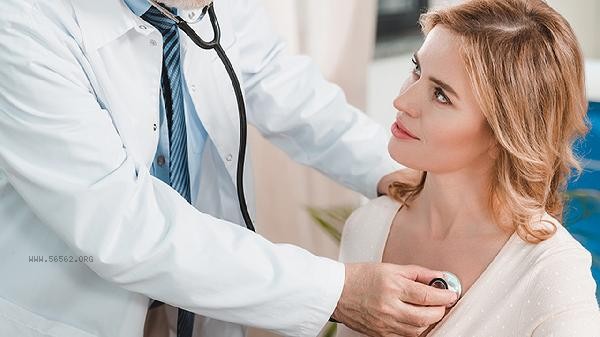
Holding urine is mainly to ensure accurate examination of the urinary and reproductive systems, such as the kidneys, bladder, uterus, or prostate, through abdominal ultrasound. When the bladder is full, it pushes the surrounding organs to a more ideal examination position, and the urine inside the bladder can also serve as a natural ultrasound "medium", helping to image the body's organs more clearly.
2 Reasons and precautions for drinking water
During physical examination, holding urine can be done in moderation by drinking water, as it takes about 30 minutes for the liquid to enter the bladder after drinking water. Therefore, drinking water is beneficial for meeting the requirement of holding urine. However, it is important to control the timing and amount of water consumed: drinking water can be started 1-2 hours in advance to gradually fill the bladder; In terms of water intake, it is recommended to drink 300-500 milliliters of warm water each time to avoid discomfort caused by drinking a large amount of water at once.
3 Response Methods for Special Situations

If there is insufficient water intake due to special reasons such as difficulty drinking water or digestive system problems on the day of the physical examination, you can try to quickly replenish small sips of water half an hour before the examination. If there is already a clear urge to urinate, there is no need to emphasize extra drinking water, otherwise it may cause unnecessary bladder pressure or even urgency to urinate. How to evaluate whether you have achieved the effect of holding urine? Before the examination, a slight urge to urinate can be used to determine if the bladder is fully filled. If there is no urge to urinate at all, it may be necessary to wait or replenish fluids; If there is excessive urgency to urinate, it may also affect the examination process. It is recommended to discharge some urine appropriately to achieve a comfortable examination state. Moderate drinking water can help with a smooth physical examination, but it is important to control the time and amount consumed. If you are worried about being difficult to control, you can consult a doctor from a medical examination institution for reasonable advice.








Comments (0)
Leave a Comment
No comments yet
Be the first to share your thoughts!