
Generally, drinking water is not allowed before a physical blood glucose test, but drinking a small amount of water before fasting blood glucose testing usually does not affect the results. The requirements for drinking water in blood glucose testing need to be determined based on the type of testing, with the main influencing factors being the testing purpose, drinking time, and amount of water consumed.
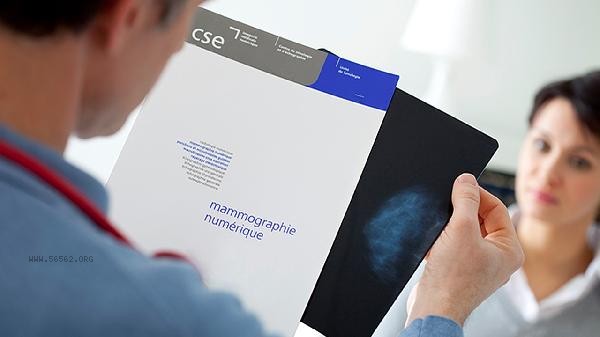
Fasting blood glucose testing requires the subject to fast for more than 8 hours and drink a small amount of plain water during this period. A small amount should not exceed 200 milliliters and should be consumed 1 hour before blood draw. This type of water intake will not significantly dilute blood or stimulate gastrointestinal motility, and its impact on blood glucose concentration can be ignored. Clinical studies have shown that people who drink 50-200 milliliters of water within 2 hours before blood draw have a difference in fasting blood glucose levels of less than 0.1 mmol/L compared to those who strictly prohibit water intake. But it is necessary to avoid drinking sugary drinks, coffee or tea, which may interfere with the test results through sugar intake or caffeine effects.
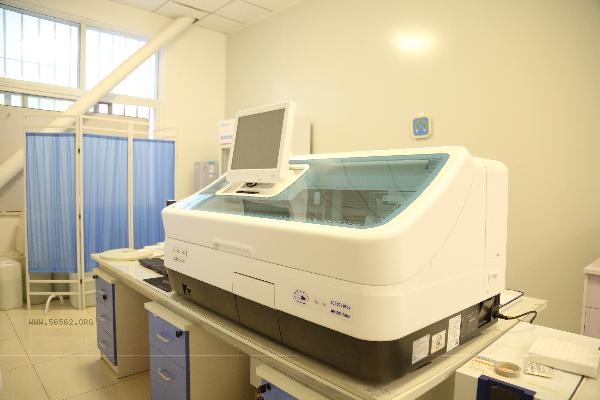
Special tests such as glucose tolerance testing require strict water restriction. The experiment requires subjects to completely fast and avoid water within 2 hours after taking glucose solution. Any intake of water may alter the gastric emptying rate and glucose absorption rate, leading to abnormal blood glucose curves. Some hospitals may also require a one hour water ban before random blood glucose testing to prevent temporary blood dilution caused by excessive drinking. For dynamic blood glucose monitoring that requires monitoring of blood glucose fluctuations throughout the day, it is usually recommended to maintain daily drinking habits to obtain accurate data.
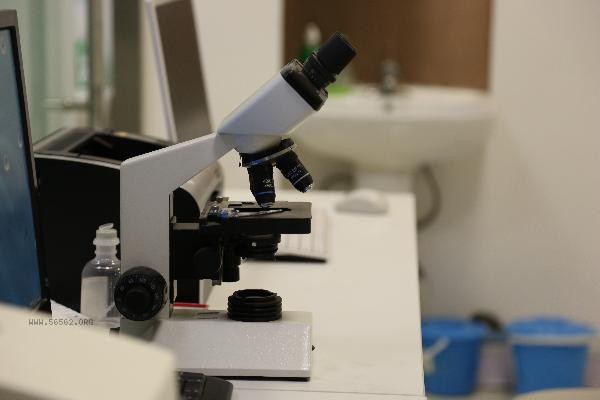
Before testing, the drinking habits should be adjusted according to the doctor's advice. diabetes patients should pay special attention to prevent dehydration or excessive drinking. If there are obvious symptoms of thirst or dehydration before testing, you can consult medical staff to adjust the testing time. It is recommended to choose sugar free drinks for daily blood sugar management, develop regular drinking habits, and avoid drinking large amounts of water or extreme water restriction before testing.








Comments (0)
Leave a Comment
No comments yet
Be the first to share your thoughts!