
It is usually not recommended to drink coffee or strong tea before a physical examination, as it may affect the accuracy of some test results. Caffeine may interfere with blood pressure, heart rate, and blood sugar monitoring, while tannic acid in strong tea may interfere with blood biochemical indicators.
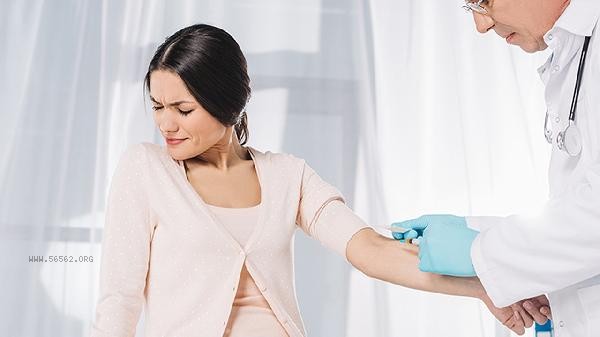
Caffeine can stimulate sympathetic nervous system excitation, leading to a brief increase in blood pressure and heart rate, which may mask the true baseline blood pressure levels. Drinking coffee before a physical examination may increase systolic blood pressure by 10-20 mmHg, affecting the accuracy of hypertension screening. Caffeine can also promote the release of stored glucose from the liver, which may cause a false increase in fasting blood glucose levels. Tannic acid in strong tea can combine with iron ions to form a precipitate, which may interfere with blood testing indicators such as serum iron and transferrin. Tea polyphenols may also affect the accuracy of liver function enzyme tests.
In some special circumstances, drinking in small amounts may have a minor impact. When only routine physical examination, chest X-ray or ultrasound examination is performed, caffeine has no direct effect on imaging results. But when it comes to blood tests, electrocardiograms, blood pressure measurements, and other items, drinking must still be strictly prohibited. For people who rely on caffeine for a long time to stay alert, sudden cessation may cause withdrawal symptoms such as headaches, and can be gradually reduced three days in advance. 8-12 hours before the physical examination, it is recommended to completely avoid consuming caffeinated beverages, including coffee, strong tea, energy drinks, etc. You can use plain water to replenish fluids and maintain an empty stomach for at least 8 hours to ensure the accuracy of blood testing. If you have accidentally consumed coffee or strong tea, it is recommended to proactively inform medical staff and adjust the examination items or follow-up time if necessary. Three days before the physical examination, one should maintain a regular daily routine, avoid vigorous exercise and high-fat diet, and ensure that the results truly reflect the physical condition.









Comments (0)
Leave a Comment
No comments yet
Be the first to share your thoughts!