
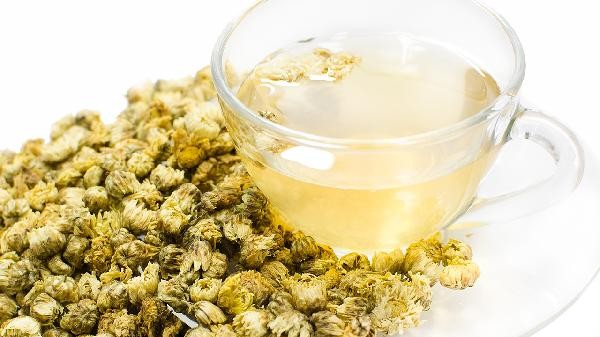
During weight loss, it is generally advisable to drink chrysanthemum tea in moderation. Chrysanthemum tea has low calories and no sugar content, which does not directly lead to weight gain. The flavonoids it contains may help promote metabolism. However, it is important to avoid adding high calorie ingredients such as honey or sugar. Chrysanthemum tea, as a low calorie beverage, is suitable as a substitute for sugary drinks in weight loss diet plans. Every 100 milliliters of chrysanthemum tea contains only about 1-2 calories, much lower than the same amount of carbonated drinks or fruit juice. When brewing, it is recommended to choose dry Hangbai chrysanthemum or embryo chrysanthemum, and control the water temperature at around 90 ℃ to avoid damaging the effective ingredients. It is recommended to drink 300-500 milliliters per day, which can be dispersed before meals to increase satiety. Research has shown that components such as luteolin in chrysanthemums may affect the process of fat breakdown by regulating the activity of lipid metabolism enzymes. Some people may experience gastrointestinal discomfort or allergic reactions, such as abdominal pain, diarrhea, or skin itching, after drinking [SEP]. Long term excessive consumption by individuals with weak and cold constitution may exacerbate symptoms of yang deficiency such as cold hands and feet. Some commercially available chrysanthemum teas may have pesticide residues or sulfur fumigation marks. It is recommended to choose organic certified products and rinse thoroughly. Those who have combined hypoglycemia or are taking hypoglycemic drugs should be alert to the potential auxiliary hypoglycemic effect of chrysanthemum. Maintaining regular exercise and a balanced diet are still the core measures for weight loss, and chrysanthemum tea can be used as an auxiliary method. It is recommended to combine aerobic exercise such as brisk walking and swimming, and consume sufficient high-quality protein and dietary fiber daily. If there are persistent abnormal weight fluctuations or metabolic disorders, timely medical attention should be sought from the endocrinology department for systematic evaluation.







Comments (0)
Leave a Comment
No comments yet
Be the first to share your thoughts!