
Elevated white blood cell count may be a signal of pneumonia, but it may also be related to other infectious or non infectious factors. An increase in white blood cell count usually indicates the presence of an inflammatory response in the body, which needs to be judged comprehensively based on clinical symptoms and other examinations. When bacterial pneumonia occurs, the invasion of pathogens into the lungs activates the immune system, leading to an inflammatory response dominated by neutrophils, and the total number of peripheral white blood cells may significantly increase. Patients often have typical symptoms such as fever, cough, and purulent sputum, and chest imaging shows infiltrative shadows in the lungs. At this time, the increase in white blood cells is related to the degree of infection. It is necessary to conduct sputum culture and other examinations in a timely manner to identify the pathogen, and to use sensitive antibiotics such as amoxicillin, clavulanate potassium tablets, and cefixime dispersible tablets for treatment. Some non infectious factors may also cause elevated white blood cells, such as stress response, physiological elevation after intense exercise, or blood system diseases such as leukemia. If the white blood cell count is elevated but there are no respiratory symptoms, it is necessary to check for other organ infections or undergo bone marrow puncture and other examinations. Some patients with viral pneumonia may have normal or low white blood cells, and this indicator alone cannot rule out the possibility of pneumonia.
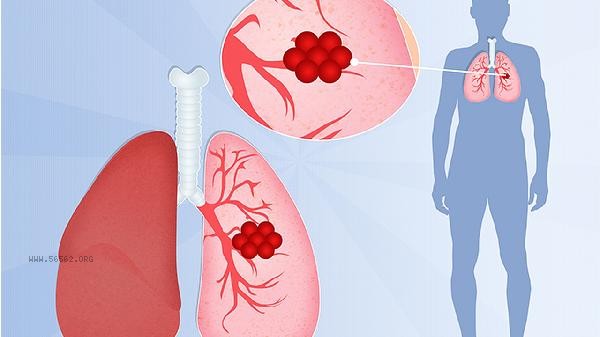
It is recommended to complete the detection of inflammatory indicators such as C-reactive protein and procalcitonin when there is a high white blood cell count, and to cooperate with chest CT and other imaging examinations. Daily attention should be paid to observing changes in body temperature, keeping the respiratory tract unobstructed, and drinking more water to promote metabolism. Avoid taking antibiotics on your own, and a personalized plan should be developed by a doctor based on the pathogen results. If the fever persists for more than 3 days or breathing difficulties occur, immediate medical evaluation should be sought.









Comments (0)
Leave a Comment
No comments yet
Be the first to share your thoughts!