
Elevated transaminase levels caused by fatty liver are not contagious. Fatty liver belongs to metabolic diseases, and the liver dysfunction caused by it is different from viral hepatitis, as it is not contagious. Elevated transaminase levels are a manifestation of liver cell damage, but transmission depends on specific pathogens, and fatty liver does not have such transmission pathways. The elevation of transaminase caused by fatty liver is mainly related to liver fat accumulation, inflammatory response, or insulin resistance. Long term high-fat diet, obesity, or alcohol abuse may lead to fat deposition in liver cells, which in turn can cause liver cell damage and transaminase release. In this case, liver dysfunction only reflects the individual's metabolic status and will not be transmitted to others through contact, blood, or bodily fluids. Even if transaminase levels significantly increase, there is no need to worry about the risk of infection. If the transaminase is elevated and combined with infectious diseases such as viral hepatitis, one should be alert to the possibility of transmission. For example, hepatitis B virus or hepatitis C virus infection can also lead to transaminase abnormalities, but infectivity comes from the virus rather than fatty liver itself. The cause can be determined by detecting hepatitis virus markers. Patients with simple fatty liver do not need to be isolated, but they need to actively control their weight, adjust their diet, and quit drinking to improve liver health.
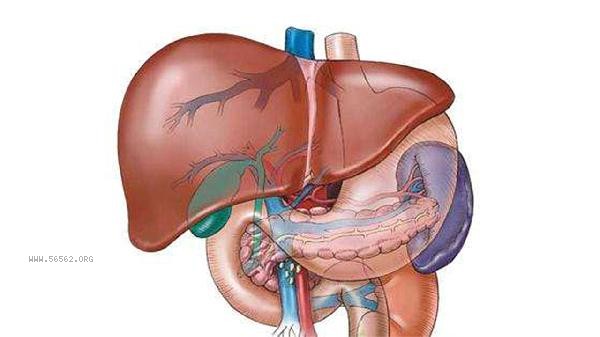
It is recommended that patients with fatty liver regularly monitor liver function indicators to avoid drug abuse that can exacerbate liver burden. Increasing aerobic exercise such as brisk walking or swimming, reducing refined sugar and saturated fat intake, can help reverse hepatic steatosis. If the transaminase continues to rise or symptoms such as fatigue and jaundice appear, seek medical attention promptly to investigate other liver disease factors.









Comments (0)
Leave a Comment
No comments yet
Be the first to share your thoughts!