
High total bilirubin may cause skin itching, especially in patients with cholestatic liver disease or obstructive jaundice. Bilirubin is a metabolic product of hemoglobin. When the total bilirubin level in the blood increases, it may deposit in the skin tissue and stimulate nerve endings, causing itching. When slightly elevated, it may only manifest as yellow staining of the sclera, and as the degree worsens, there may be systemic skin itching accompanied by obvious jaundice. Jaundice caused by acute hepatitis or bile duct stones often results in more severe itching. Elevated bilirubin caused by hemolytic diseases usually results in mild itching. Long term cholestasis may lead to rough skin and pigmentation.
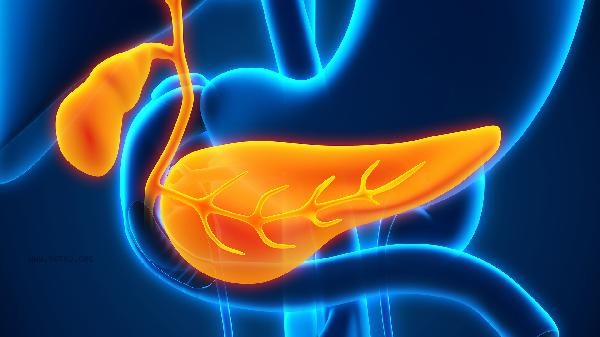
For cases of elevated total bilirubin accompanied by skin itching, it is recommended to keep the skin clean and moist to avoid scratching, and wear loose cotton clothing to reduce irritation. You can follow the doctor's advice to use choleretic drugs such as ursodeoxycholic acid capsules and colexamine powder, or antihistamines such as cetirizine hydrochloride tablets to alleviate symptoms. If skin rupture and infection occur, topical application of mupirocin ointment is necessary. Pay attention to observing changes in urine color and stool characteristics in daily life, limit high-fat diet and quit drinking, and supplement vitamin K appropriately to improve coagulation function. Seek medical attention promptly to identify the cause and treat underlying diseases such as biliary obstruction and hepatitis.








Comments (0)
Leave a Comment
No comments yet
Be the first to share your thoughts!