
High total bilirubin usually leads to jaundice on the skin. Jaundice is caused by elevated levels of bilirubin in the blood, which deposits on the skin and mucous membranes, and is commonly seen in liver and gallbladder diseases or hemolytic diseases. Bilirubin is a product of hemoglobin breakdown, which is normally metabolized by the liver and excreted with bile. When the total bilirubin exceeds 34.2 μ mol/L, visible jaundice may occur. When mildly elevated, it manifests as yellow staining of the sclera, and as the concentration increases, the skin gradually turns lemon yellow to orange yellow. Diseases of the liver and gallbladder system, such as viral hepatitis and bile duct stones, can hinder the excretion of bilirubin, leading to an increase in conjugated bilirubin. Hemolytic anemia, neonatal hemolysis and other diseases are caused by excessive destruction of red blood cells, resulting in an increase in unconjugated bilirubin. Long term cholestasis may also be accompanied by skin itching, clay colored stool, and other symptoms. Partial genetic diseases such as Gilbert syndrome can also cause intermittent mild jaundice, but usually do not require special treatment.
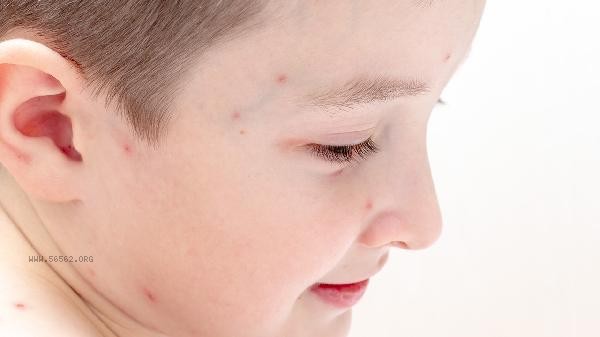
If skin discoloration is found, timely medical examination of liver function, blood routine, and abdominal ultrasound should be sought to determine the cause and receive targeted treatment. Patients with viral hepatitis require antiviral treatment, while those with bile duct obstruction may require endoscopy or surgery to relieve the obstruction. In daily life, one should avoid drinking alcohol and high-fat diet, supplement vitamins in moderation, and pay attention to observing changes in urine color. Pregnant women and newborns with jaundice need special attention to prevent serious complications such as bilirubin encephalopathy.








Comments (0)
Leave a Comment
No comments yet
Be the first to share your thoughts!