
High total bilirubin may lead to darkening of urine color. When total bilirubin increases, the excretion of bilirubin in urine increases, which may cause the urine to appear dark yellow or brown.
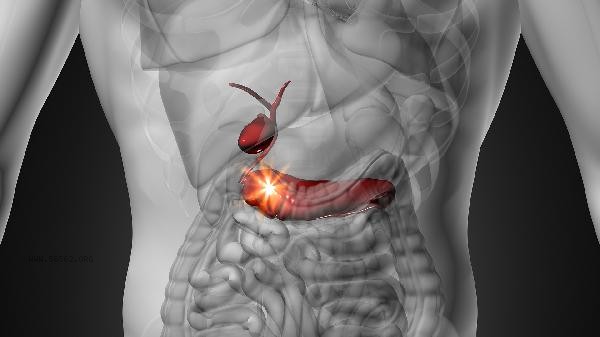
Total bilirubin is a form of bilirubin mainly produced by the breakdown of aging red blood cells. Under normal circumstances, bilirubin is metabolized by the liver and excreted into the intestine along with bile. When liver function is impaired or biliary obstruction occurs, the total bilirubin level in the blood increases, and some bilirubin is excreted from the urine through the kidneys. At this time, the urine bilirubin test is positive, and the urine color may darken to dark yellow or brown, and in severe cases, it may appear as a strong tea like substance. Hemolytic anemia, viral hepatitis, gallstones and other diseases can all lead to an increase in total bilirubin. Mild elevation may only manifest as a slight darkening of urine color, with a more pronounced color change when significantly elevated. Some medications or foods may also cause changes in urine color, such as when taking vitamin B2 or consuming large amounts of carrots, urine may appear bright yellow, but this situation is not related to bilirubin. If the urine color remains abnormal and accompanied by symptoms such as skin yellowing and fatigue, it is necessary to be alert to the possibility of pathological jaundice. physiological jaundice in newborns usually does not cause significant changes in urine color, but children with pathological jaundice may experience dark urine. When abnormal urine color is detected, timely medical attention should be sought, and liver function, urine routine, abdominal ultrasound and other examinations should be completed. In daily life, it is necessary to avoid drinking alcohol and hepatotoxic drugs, maintain sufficient water intake, supplement high-quality protein such as eggs and fish in moderation, and avoid a high-fat diet that increases the burden on the liver. If diagnosed with liver and gallbladder disease, it is necessary to strictly follow medical advice for treatment and regularly check bilirubin levels.










Comments (0)
Leave a Comment
No comments yet
Be the first to share your thoughts!