
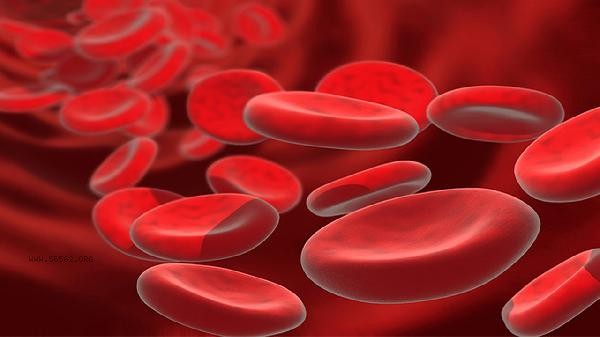
Elevated red blood cells may lead to dry mouth and tongue, but it is not a direct causal relationship. Increased red blood cell count may be caused by factors such as dehydration, altitude sickness, and polycythemia vera. If accompanied by increased blood viscosity, it may indirectly lead to dry mouth symptoms. Dehydration is a common cause of relative increase in red blood cells. After the loss of bodily fluids, the blood becomes concentrated, the red blood cell count relatively increases, and saliva secretion decreases, directly leading to dryness of the oral mucosa. This situation can be alleviated by supplementing water or taking oral rehydration salts. It is necessary to avoid high temperature environments or not replenishing water in a timely manner after intense exercise in daily life. High altitude residents or those who enter high-altitude areas for a short period of time may experience physiological red blood cell count, hypoxia stimulates the secretion of erythropoietin, and increased blood viscosity may affect microcirculation, indirectly causing dry mouth. This type of situation usually does not require special treatment, and symptoms can be alleviated after adapting to the environment. Polycythemia vera belongs to bone marrow proliferative tumors, and a significant increase in the absolute value of red blood cells may lead to slow blood flow, tissue hypoxia, and some patients may experience symptoms such as dry mouth and dizziness. It is necessary to control the number of red blood cells through bloodletting therapy or medication such as hydroxyurea tablets, and regularly monitor blood routine. If there is long-term dryness of the mouth and tongue with persistently high red blood cells, it is recommended to complete bone marrow puncture, genetic testing, and other examinations to rule out hematological diseases. It is necessary to maintain a daily water intake of 1500-2000 milliliters, avoid smoking and drinking to increase blood viscosity, and consume vegetables and fruits rich in vitamin C such as broccoli and tomatoes in moderation to improve microcirculation. Seek medical attention immediately when severe symptoms such as blurred vision and headache occur.








Comments (0)
Leave a Comment
No comments yet
Be the first to share your thoughts!