
Gynecological examinations during menstruation generally do not directly lead to infection, but may increase the risk of infection. Gynecological examinations mainly include vaginal secretion examination, cervical smear examination, pelvic ultrasound examination, and other items. During menstruation, the cervix is in an open state, and the endometrium sheds to form a wound. At this time, examination may introduce external pathogens into the reproductive tract. If medical equipment is not thoroughly disinfected or operated improperly, it may trigger inflammation such as vaginitis and cervicitis. It is recommended to avoid menstrual check ups, and in special cases, strict disinfection procedures should be carried out after evaluation by a doctor.
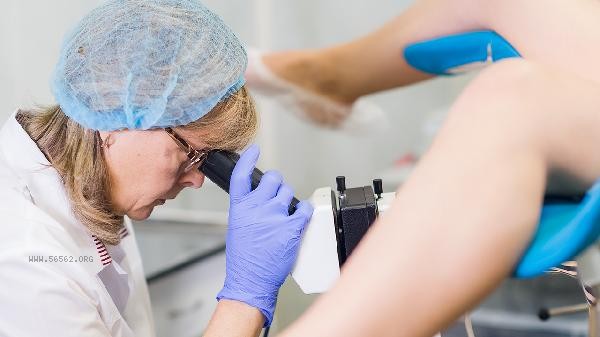
During menstruation, there are changes in the reproductive tract environment, with a temporary increase in vaginal pH and a weakened defense against bacteria. The use of a speculum during the examination process may cause minor damage to the mucosa, creating conditions for bacterial invasion. Some women have weakened immunity during menstruation, making them more susceptible to infections. After examination, there may be symptoms such as abnormal increase in secretions, odor, and itching of the external genitalia. Be alert to bacterial vaginosis or vulvovaginal candidiasis. Legitimate medical institutions usually use disposable instruments or high-temperature and high-pressure sterilization equipment, which can effectively reduce the probability of cross infection.

In case of acute inflammation of reproductive tract, low immune function or diabetes, the risk of menstrual examination is significantly increased. Individuals with abnormal coagulation function may experience an increase in menstrual blood volume due to examination stimulation. Women with a history of pelvic inflammatory disease or multiple miscarriages, whose reproductive tract defense barrier has been damaged, need to be extra cautious. If it is necessary to check, it is recommended to choose the end of the period with less menstruation. Before the check, clean the vulva but avoid vaginal flushing. After the check, use metronidazole vaginal gel or clotrimazole vaginal tablet as prescribed by the doctor to prevent infection.
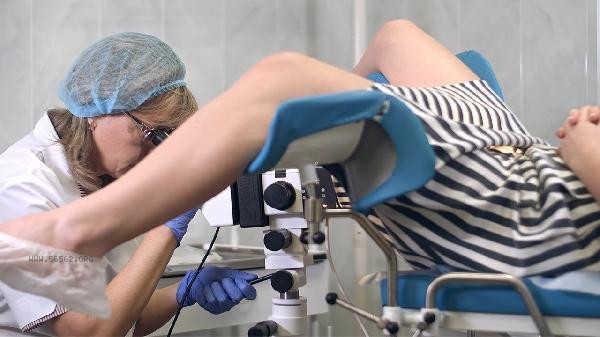
Daily attention should be paid to menstrual hygiene, changing sanitary pads every 2-3 hours and avoiding the use of built-in cotton strips. Within 48 hours after the examination, bathing, swimming, and sexual activity are prohibited. If any abnormalities such as fever or lower abdominal pain occur, seek medical attention promptly. Moderate supplementation of lactobacillus preparations can maintain vaginal microbiota balance, choose pure cotton breathable underwear and change it daily. People infected with long-term recurrent menstrual period should be screened for basic diseases such as diabetes and AIDS, and vaginal microecology detection should be carried out when necessary.








Comments (0)
Leave a Comment
No comments yet
Be the first to share your thoughts!