
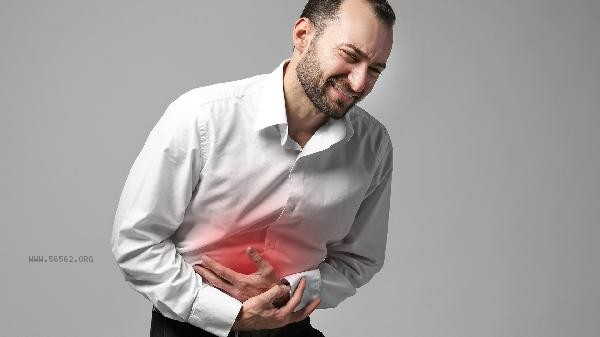
Gallbladder polyps may cause pain in the upper right abdomen, but in most cases there are no obvious symptoms. Gallbladder polyps are lesions formed by the protrusion of the gallbladder wall into the cavity, mainly including cholesterol polyps, inflammatory polyps, adenomatous polyps, and other types.
1. Cholesterol polyps
Cholesterol polyps are the most common type of gallbladder polyps, usually associated with abnormal cholesterol metabolism. These types of polyps have a diameter of less than 5 millimeters and generally do not cause pain in the upper right abdomen. Occasionally, patients may experience mild abdominal distension or indigestion. If combined with gallstones or chronic cholecystitis, intermittent dull pain may occur. The treatment mainly involves regular follow-up examinations, and it is recommended to undergo ultrasound examinations every 6-12 months while controlling a high cholesterol diet.
2. Inflammatory polyps
Inflammatory polyps are often secondary to chronic cholecystitis and may be related to repeated inflammatory stimuli. This type of polyp may be accompanied by persistent upper right abdominal pain, which worsens after consuming greasy food, and some patients may experience nausea and vomiting. Ultrasound examination shows thickening of the gallbladder wall. Treatment for cholecystitis requires anti infective treatment, commonly used drugs include cefuroxime dispersible tablets, levofloxacin hydrochloride capsules, etc. In severe cases, cholecystectomy may be considered.
3. Adenomatous polyps
Adenomatous polyps are tumor lesions that pose a risk of malignancy. When the diameter of the polyp exceeds 10 millimeters or rapidly increases, it may compress the surrounding tissue and cause dull pain, and some patients may experience jaundice. This type of polyp usually requires surgical resection, and commonly used surgical procedures include laparoscopic cholecystectomy and open cholecystectomy. Regular follow-up of tumor markers is required after surgery.
4. Concurrent Gallbladder Stones
About 30% of patients with gallbladder polyps also have gallstones, and stone movement may cause biliary colic. The pain is mostly located below the rib margin of the upper right abdomen, with paroxysmal exacerbation, and can radiate to the right shoulder and back. The attack is often accompanied by fever and vomiting. The treatment should be based on the size of the stone and choose between medication for stone removal or surgical removal. Commonly used medications include ursodeoxycholic acid capsules, anethole trisulfide tablets, etc.
5. Polyp peduncle torsion
When a pedunculated polyp twists, it may cause acute severe abdominal pain, similar in nature to biliary colic, but lasting longer. This situation is considered an emergency and requires immediate medical attention, usually requiring emergency cholecystectomy. postoperative pathological examination can clarify the nature of polyps.
It is recommended that patients with gallbladder polyps maintain a low-fat diet, avoid overeating, and undergo regular abdominal ultrasound examinations. If symptoms such as persistent upper right abdominal pain, fever, and yellowing of the skin and sclera occur, seek medical attention promptly. For polyps with a diameter exceeding 10 millimeters or accompanied by thickening of the gallbladder wall, it is recommended to seek medical attention at the hepatobiliary surgery department as soon as possible to evaluate surgical indications. Supplementing with vitamin E and dietary fiber in daily life can help improve the composition of bile.








Comments (0)
Leave a Comment
No comments yet
Be the first to share your thoughts!