
Fatty liver can be detected by ultrasound, which is one of the commonly used methods for diagnosing fatty liver. It determines fat deposition through liver echo characteristics. The diagnosis of fatty liver can also be combined with liver function tests, CT, MRI and other methods. Treatment requires comprehensive intervention from diet, exercise, medication and other aspects.
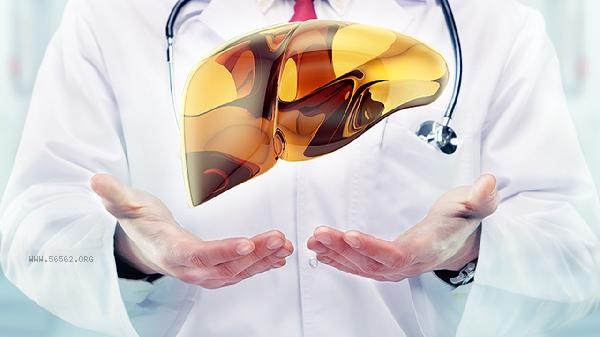
Fatty liver is a common liver disease, mainly caused by excessive accumulation of fat in the liver. Ultrasound examination can preliminarily determine the presence of fatty liver by observing the echo characteristics of the liver. Under normal circumstances, liver echoes are uniform, while in patients with fatty liver, liver echoes are enhanced, presenting a "bright liver" characteristic. Ultrasound examination is non-invasive and convenient, and is one of the preferred methods for screening fatty liver. In addition to ultrasound, doctors may also recommend liver function tests to evaluate the metabolic function of the liver; CT or MRI scans can more accurately quantify the degree of fat deposition. The etiology of fatty liver is complex and mainly related to the following factors: 1. Genetic factors, some populations are more prone to abnormal fat metabolism due to genetic problems; 2. Environmental factors, long-term high-fat and high sugar diet, lack of exercise, excessive alcohol consumption and other unhealthy lifestyle habits; 3. Physiological factors, obesity, diabetes, hyperlipidemia and other metabolic diseases; 4. Pathological factors, such as liver diseases such as hepatitis and cirrhosis. Identifying the cause can help develop targeted treatment plans.
Comprehensive measures should be taken to treat fatty liver: 1. Dietary adjustments, reducing the intake of high-fat and high sugar foods, and increasing foods rich in dietary fiber, such as oats, vegetables, and fruits; 2. Moderate exercise, at least 150 minutes of moderate intensity aerobic exercise per week, such as brisk walking, swimming, and cycling; 3. Drug therapy, commonly used drugs include lipid-lowering drugs such as atorvastatin, hepatoprotective drugs such as compound glycyrrhizin, and insulin sensitizers such as metformin; 4. Regularly review, monitor liver function and fat deposition, and adjust treatment plans in a timely manner. Fatty liver is a preventable and treatable disease, and the key lies in early detection and comprehensive intervention. Timely diagnosis through ultrasound and other examination methods, combined with various measures such as diet, exercise, and medication, can effectively control the development of the disease and prevent the occurrence of complications. Patients should maintain good living habits, undergo regular physical examinations, actively communicate with doctors, develop personalized treatment plans, and ensure liver health.








Comments (0)
Leave a Comment
No comments yet
Be the first to share your thoughts!