
During the onset of arthritis in the elderly, a physical examination can generally be conducted, but it is necessary to avoid acute inflammation and severe joint swelling and pain. During the onset of arthritis, it is necessary to inform the doctor of joint symptoms in advance to avoid aggravating joint injuries caused by examination movements. During the stable phase or chronic pain stage of arthritis, routine physical examination items such as blood routine, urine routine, and imaging examinations can be performed normally. At this time, the joint inflammation reaction is relatively mild, and physical examination will not worsen the condition, but instead help monitor inflammatory indicators and changes in joint structure. For some examination items that require joint movement, doctors will adjust the examination method according to the actual situation, such as using supine ultrasound instead of standing X-ray examination. When there are obvious symptoms of acute attacks such as redness, swelling, heat pain, and severe restricted movement in the joints, physical examination items related to joint activity should be temporarily suspended. Forcefully performing joint flexion and extension examinations at this time may exacerbate synovial inflammation, leading to an increase in joint fluid accumulation. Inflammatory indicators such as C-reactive protein and erythrocyte sedimentation rate may be abnormally elevated in blood tests, and comprehensive judgment should be made based on clinical manifestations. Magnetic resonance imaging and other examinations that require maintaining a fixed posture for a long time may be difficult to complete due to pain.
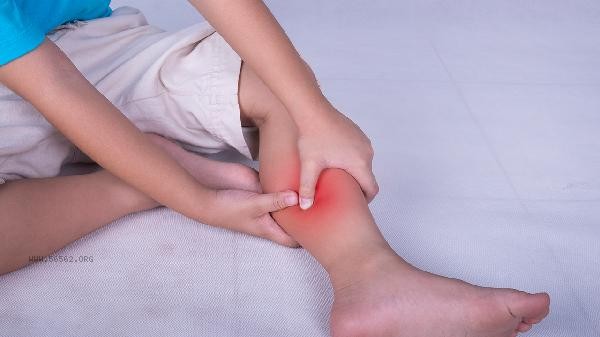
Before the physical examination, it is recommended that the elderly wear loose clothing for easy wearing and taking off, and carry protective gear or crutches that they usually use. If joint discomfort occurs during the examination, immediately inform medical staff to adjust the examination plan. After the physical examination, take appropriate rest and apply hot or cold compress to the joints that have been examined. Pay attention to keeping joints warm in daily life, avoid activities that increase joint burden such as climbing stairs or lifting heavy objects, and follow medical advice to take anti-inflammatory drugs regularly to control the condition.








Comments (0)
Leave a Comment
No comments yet
Be the first to share your thoughts!