
Before a baby's physical examination, egg yolk complementary foods are generally recommended, but excessive consumption or first-time attempts should be avoided. Egg yolks contain high-quality nutrients such as protein, iron, and vitamin A, but may increase digestive burden or interfere with some physical examination indicators. Egg yolk as a common complementary food additive is usually gradually introduced in babies after 6 months of age. Eating a small amount before a physical examination usually does not significantly affect the results of routine examinations, such as height and weight measurements, basic development assessments, etc. However, it should be noted that the cholesterol content in egg yolks is relatively high. If the physical examination includes blood lipid testing, it may cause temporary fluctuations in indicators. In addition, the texture of egg yolks is relatively dry, and first-time or excessive consumption may cause gastrointestinal discomfort, abnormal bowel movements, or abdominal bloating, which may interfere with the results of abdominal palpation.
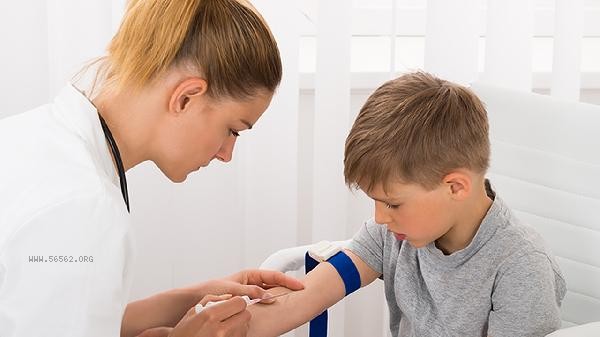
Some special physical examination items currently require fasting according to medical advice. If allergen testing is involved, the recent addition of egg yolks may interfere with the result judgment. Premature infants or babies with chronic diarrhea should temporarily suspend high-fat foods before physical examination to avoid affecting the assessment of nutrient absorption rate. If a baby with an allergic constitution develops a rash or vomiting within 48 hours after first contact with egg yolk, they should proactively inform the doctor of the addition of complementary foods during the physical examination.

Before the physical examination, the baby's daily diet can be maintained, and babies who have adapted to egg yolks can be given 1/4-1/2 egg yolks. It is recommended to postpone the initial addition until after the physical examination, and observe for 3 days without any adverse reactions before continuing to consume. On the day of the physical examination, carry a record book of complementary foods for doctors to comprehensively evaluate developmental data based on feeding conditions. If the physical examination includes blood tests, you can consult a doctor to see if it is necessary to adjust the timing of complementary foods.









Comments (0)
Leave a Comment
No comments yet
Be the first to share your thoughts!