
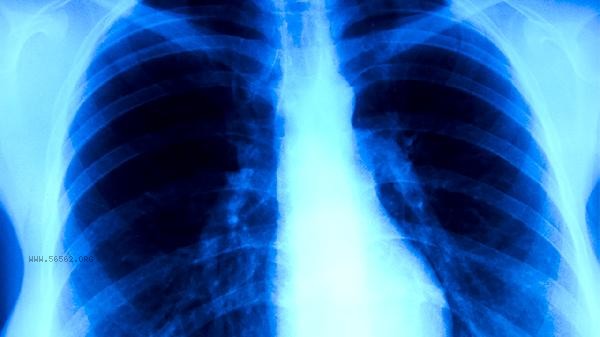
Physical examination can generally detect tuberculosis, but routine examination items may not directly diagnose tuberculosis. During physical examinations, imaging examinations such as chest X-rays or CT scans can often detect possible abnormal shadows, nodules, and other manifestations in the lungs. If the physical examination results show that there are suspicious lesions in the lungs, it is recommended to further carry out more professional tuberculosis related tests such as sputum smear examination and tuberculin test. Physical examination can also find common accompanying symptoms of tuberculosis, such as low fever, weight loss, night sweats, etc. For high-risk individuals, such as those who have recently been in contact with tuberculosis patients, specific tuberculosis testing may also be added to physical examinations.
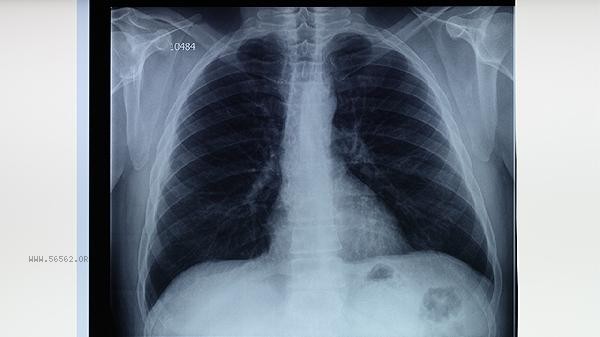
Special examination for tuberculosis may not be included in the physical examination package of some units, especially for latent tuberculosis infection. They may not have obvious symptoms or imaging abnormalities, and it may be difficult to find them through routine physical examination. Some early tuberculosis is small or in the inactive period, so the physical examination is easy to be missed, and the patients may also fail to carry out targeted screening because of no symptoms. Some special types of pulmonary tuberculosis have atypical imaging findings and may be misdiagnosed as other lung diseases, requiring analysis based on clinical manifestations.

Groups with tuberculosis related symptoms or high-risk factors should take the initiative to inform doctors and recommend increasing tuberculosis screening programs. Even if no abnormality is found in the physical examination, if there are symptoms such as cough for more than two weeks and hemoptysis, you should go to the tuberculosis prevention and control institution in time to seek medical advice and improve the examination. In order to prevent pulmonary tuberculosis, it is necessary to maintain good ventilation, enhance immunity and avoid close contact with tuberculosis patients.








Comments (0)
Leave a Comment
No comments yet
Be the first to share your thoughts!