
Women can usually undergo a physical examination during their menstrual period, but some examination items may be affected by menstruation. It is recommended to inform the doctor of the menstrual condition before the physical examination, and the doctor will evaluate whether it is necessary to adjust the examination time or items. Routine physical examination items such as blood routine, urine routine, liver function, kidney function, electrocardiogram, etc. are usually not affected by menstruation. However, gynecological examinations, cervical smears, breast examinations, etc. may affect the accuracy of results due to pelvic congestion and increased vaginal secretions during the menstrual period. It is recommended to avoid the menstrual period. Some hormone level tests, such as estrogen and progesterone, need to be performed during specific menstrual periods and should be scheduled according to medical advice.
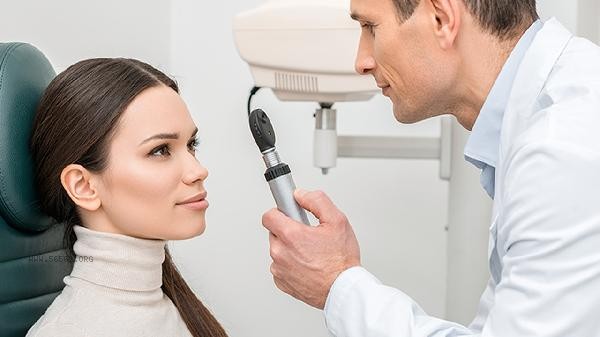
A few invasive procedures such as hysteroscopy and hysterosalpingography may increase the risk of infection or interfere with the field of view during menstruation, and should be strictly avoided during menstruation. Some imaging examinations, such as pelvic MRI, may be difficult to interpret due to the enlargement of the uterus during menstruation, and the timing of the examination should be determined based on clinical needs.

Adequate sleep should be maintained before the physical examination, and vigorous exercise and overwork should be avoided. It is recommended to choose cotton breathable underwear and carry necessary hygiene products for menstrual check ups. If the physical examination includes fasting items, drinking warm water in moderation can alleviate menstrual discomfort. After the physical examination, pay attention to keeping warm and avoid eating raw or cold food. If there is abnormal bleeding or worsening pain, seek medical attention promptly.








Comments (0)
Leave a Comment
No comments yet
Be the first to share your thoughts!