
Physical examination chest X-ray can detect some lung cancer, but the detection rate is low and it is easy to miss early lung cancer. Lung cancer screening mainly relies on more accurate examination methods such as low-dose spiral CT.
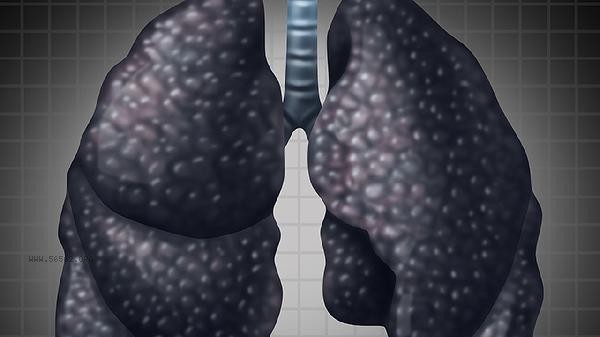
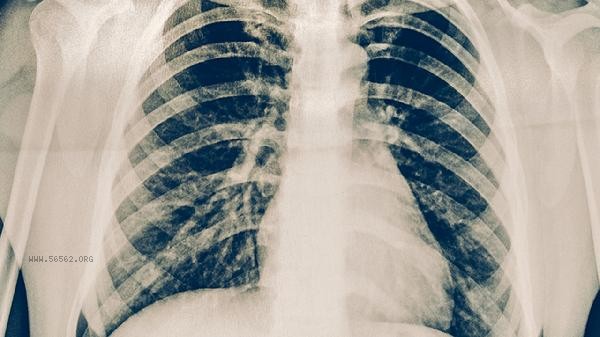
Chest X-ray can observe lung structure through X-ray imaging and has a certain detection ability for central lung cancer with larger diameter or advanced lung cancer with obvious atelectasis and pleural effusion. This type of tumor usually exceeds 3 centimeters and may be accompanied by typical signs such as mediastinal lymph node enlargement or rib destruction. However, the resolution of chest X-ray is limited, making it difficult to identify pulmonary nodules smaller than 1 centimeter, ground glass lesions, or lesions located in concealed areas such as the apex of the lung and the spine, which are often manifestations of early lung cancer. There is still a limitation of overlapping tissues before and after chest X-ray, which may lead to a missed diagnosis rate of over 20%. Low dose spiral CT can detect tiny nodules larger than 2 millimeters, and its detection rate for early lung cancer is 4-10 times higher than chest X-ray. International lung cancer screening studies have confirmed that high-risk individuals who receive low-dose CT scans annually can reduce lung cancer mortality by 20%. For populations with long-term smoking, a family history of lung cancer, or occupational exposure, low-dose CT is recommended as a routine screening method. Chest X-ray is more suitable as a preliminary examination method for emergencies such as pulmonary infections and pneumothorax. If abnormal shadows are found on chest X-ray, further diagnosis through enhanced CT, PET-CT, or pathological biopsy is required. People over 40 years old should pay attention to lung cancer screening and improve early diagnosis rates by combining tumor marker testing. In daily life, it is necessary to avoid smoking and exposure to secondhand smoke, pay attention to kitchen fume protection, and seek medical attention promptly when symptoms such as persistent coughing and bloody sputum occur.









Comments (0)
Leave a Comment
No comments yet
Be the first to share your thoughts!