
In the late stage of pancreatic cancer, traditional Chinese medicine can be used as an auxiliary treatment. Common methods include Chinese medicine conditioning, acupuncture and moxibustion, moxibustion, massage, diet, etc. Patients with advanced pancreatic cancer usually have syndrome types such as qi and blood deficiency, toxin and blood stasis, etc. TCM adjuvant treatment needs to be combined with individual syndrome differentiation on the basis of standardized western medicine treatment.
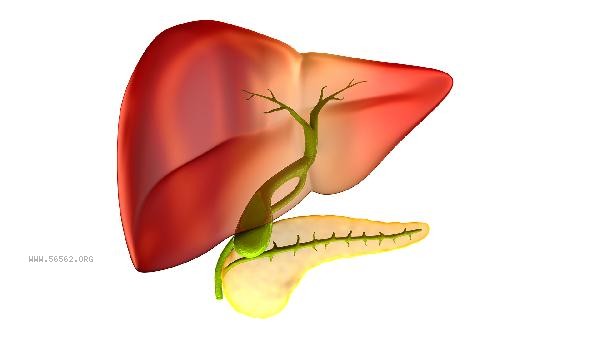
1. Traditional Chinese Medicine Treatment
Select traditional Chinese medicine that can strengthen the body and eliminate evil according to the syndrome type. For those with qi and blood deficiency, they can choose the modified Shiquan Dabu Tang, which contains nourishing herbs such as Huangqi, Codonopsis pilosula, and Atractylodes macrocephala; The damp heat accumulation type can be modified with Yin Chen Hao Tang, which contains heat clearing and dampness reducing ingredients such as Yin Chen, Gardenia, and Rhubarb. Traditional Chinese medicine decoction should be adjusted by a Chinese medicine practitioner according to the patient's liver function to avoid interaction with targeted drugs. Traditional Chinese patent medicines and simple preparations commonly used in clinic includes Kanglaite injection, cinobufagin capsule and other preparations with auxiliary anti-tumor effect.
2. acupuncture and moxibustion therapy
Select Zusanli, Guanyuan, Zhongwan and other acupoints for filiform needle stimulation, combined with low-frequency treatment of electroacupuncture apparatus, to help improve appetite, cancerous pain and other symptoms. Acupuncture and moxibustion can regulate autonomic nervous function and relieve nausea and vomiting caused by chemotherapy. It is advisable to avoid the local area of the tumor and areas with low platelet count. Treatment 2-3 times a week is recommended, and it is contraindicated for patients with skin infections.
3. Moxibustion therapy
uses ginger separated moxibustion at Shenque point or mild moxibustion at Bishu point to promote the circulation of qi and blood through the warm effect generated by the burning of moxa fibers. Suitable for patients with yang deficiency, fear of cold, and mild limbs, it can relieve abdominal pain and discomfort. Each moxibustion treatment should be controlled for 15-20 minutes. People with skin sensory disorders should strictly prevent burns, and those with bleeding tendencies should not use it.
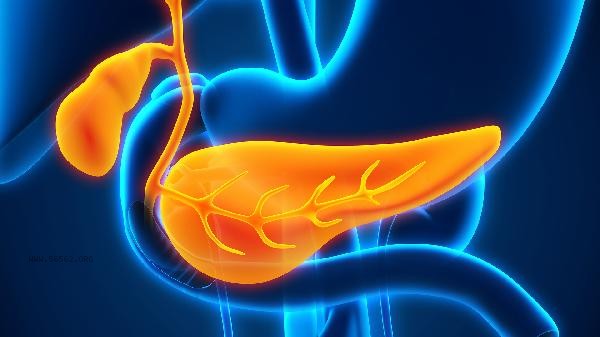
4. Massage
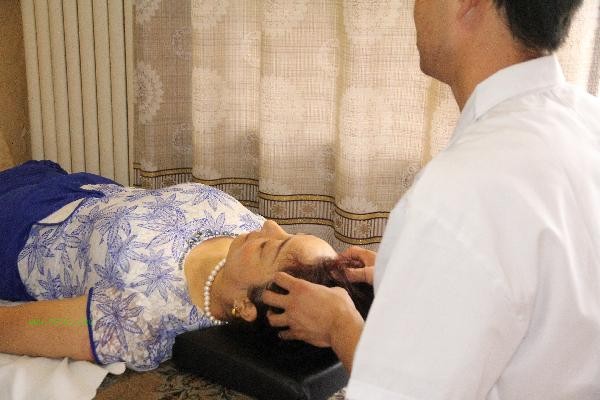
Use gentle techniques such as kneading and rubbing to massage the bladder meridian on the back along the meridians, combined with acupressure to soothe the liver and strengthen the spleen. Assist in improving symptoms such as indigestion, insomnia, and anxiety. The intensity of the operation should be within the patient's tolerance to avoid direct pressure on abdominal tumors. Patients with bone metastases should be cautious when performing spinal manipulation therapy.
5. Diet and recuperation
According to the Chinese medicine diet theory, Chinese yam, coix seed and other spleen strengthening ingredients are selected, matched with American ginseng, Chinese wolfberry and other Tonic Diet. It is advisable to eat small meals frequently, with steaming as the main cooking method, and avoid spicy and greasy foods. Malnourished individuals can take moderate amounts of health supplements such as Huangqi Jing oral solution, which should be taken 2 hours apart from chemotherapy drugs.
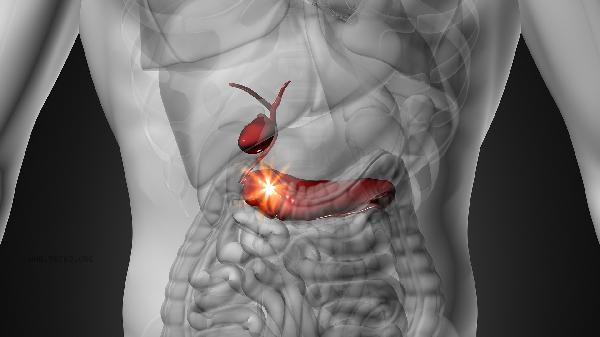
When patients with advanced pancreatic cancer are treated with TCM, their families should observe and record the changes of symptoms and drug reactions every day, and regularly review the liver function and blood coagulation function. Maintain a ventilated and dry living environment, and assist patients in engaging in soothing eight dan jin exercises. If emergency symptoms such as vomiting blood and severe abdominal pain occur, traditional Chinese medicine treatment should be immediately suspended and emergency medical treatment should be sought. All traditional Chinese medicine interventions must be fully communicated with the attending physician and cannot replace standardized anti-cancer treatment plans.





Comments (0)
Leave a Comment
No comments yet
Be the first to share your thoughts!