
The methods for quickly lowering blood pressure include deep breathing, moderate water intake, and light exercise, but need to be combined with long-term health management. hypertension may be caused by genetics, unhealthy lifestyle habits, obesity, stress, and other factors, and needs to be controlled through medication treatment, lifestyle adjustments, and regular monitoring.
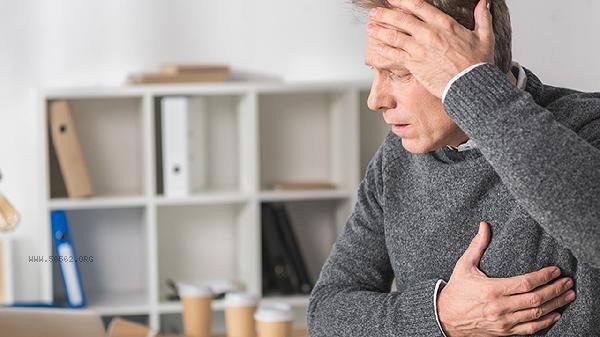
1. Deep breathing: Deep breathing is a simple and effective method of lowering blood pressure. Through slow and deep breathing, the parasympathetic nervous system can be activated to help the body relax, lower heart rate and blood pressure. It is recommended to practice deep breathing for 5-10 minutes every day, especially when feeling nervous or anxious.
2. Moderate drinking water: Keeping the body hydrated helps maintain stable blood pressure. Dehydration can increase blood viscosity, burden the heart, and thus raise blood pressure. It is recommended to drink 8 glasses of water every day and avoid sugary and high salt drinks. 3. Mild exercise: Mild exercises such as walking, yoga, or tai chi can help lower blood pressure. Exercise can promote blood circulation, enhance heart function, and reduce vascular resistance. It is recommended to engage in at least 150 minutes of moderate intensity exercise per week, such as brisk walking or swimming.
4. Medication therapy: For patients with severe hypertension, medication therapy is necessary. Common medications include diuretics, ACE inhibitors, and calcium channel blockers. Diuretics reduce body water and lower blood pressure by increasing urine excretion; ACE inhibitors lower blood pressure by relaxing blood vessels; Calcium channel blockers reduce vascular constriction by preventing calcium from entering the heart and vascular cells.

5. Lifestyle adjustment: Long term blood pressure control requires comprehensive lifestyle adjustments. Reducing salt intake, increasing vegetable and fruit intake, quitting smoking and limiting alcohol consumption, maintaining a healthy weight, and regular exercise are all effective measures. It is recommended to consume no more than 5 grams of salt per day and eat more potassium rich foods such as bananas and spinach.
6. Regular monitoring: Regular monitoring of blood pressure is an important part of managing hypertension. Self testing blood pressure at home can help detect abnormalities in a timely manner and adjust treatment plans. It is recommended to measure blood pressure at least once a week, record the data, and communicate regularly with a doctor. Although the method of rapidly lowering blood pressure is effective, it needs to be combined with long-term health management. Hypertension is a chronic disease that requires comprehensive treatment and continuous attention. Through deep breathing, moderate water intake, light exercise, medication treatment, lifestyle adjustments, and regular monitoring, blood pressure can be effectively controlled and the risk of complications can be reduced. It is recommended to develop a personalized blood pressure reduction plan under the guidance of a doctor to ensure health and safety.









Comments (0)
Leave a Comment
No comments yet
Be the first to share your thoughts!