
People who experience auditory hallucinations may not necessarily become insane. Auditory hallucinations can be a manifestation of various psychological or physiological problems, and the specific development depends on the cause and intervention measures. Auditory hallucinations are common in mental illnesses such as schizophrenia, bipolar disorder, and severe depression, and may also be caused by drug side effects, sleep deprivation, brain damage, and other factors. When auditory hallucinations are a single symptom, they may not necessarily lead to mental breakdown. Some people may experience brief auditory hallucinations during stress or fatigue, which can be alleviated through psychological regulation and rest. Physical diseases such as auditory system abnormalities, epileptic seizures, and thyroid dysfunction may also cause auditory hallucinations, and treatment of the underlying disease can often improve symptoms. Early identification and professional evaluation are key, and cognitive-behavioral therapy and family support can effectively reduce the impact of auditory hallucinations on daily life.
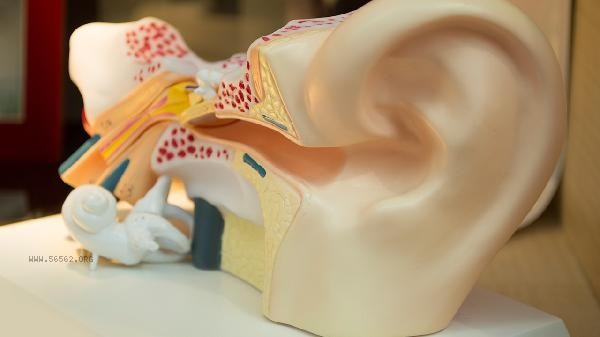
Be alert to the risk of worsening when auditory hallucinations are accompanied by other psychotic symptoms. If symptoms such as delusions of persecution, disordered thinking, and emotional apathy appear, it may indicate severe mental disorders such as schizophrenia. This type of disease has abnormal brain function, and without systematic treatment, it may gradually damage cognitive and social functions. Antipsychotic drugs such as risperidone, olanzapine, and quetiapine are commonly used to control symptoms, and combined with rehabilitation training, can delay the progression of the disease. Maintaining a regular schedule and moderate exercise can help stabilize emotional states and avoid consuming nerve stimulating substances such as alcohol. Family members should learn non critical communication skills to assist patients in adhering to treatment plans. Regularly follow up to monitor changes in the condition and adjust the treatment plan if necessary. Most patients with auditory hallucinations can maintain a normal life through standardized management, and early intervention is the core factor in improving prognosis.





Comments (0)
Leave a Comment
No comments yet
Be the first to share your thoughts!