
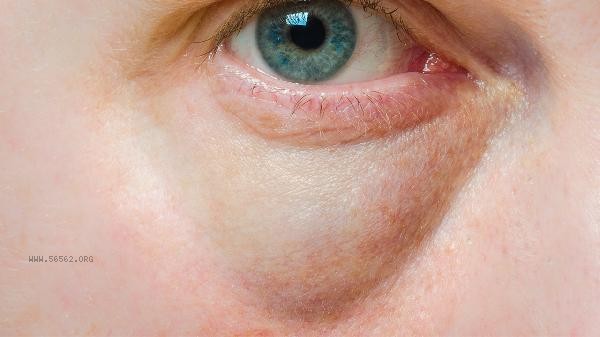
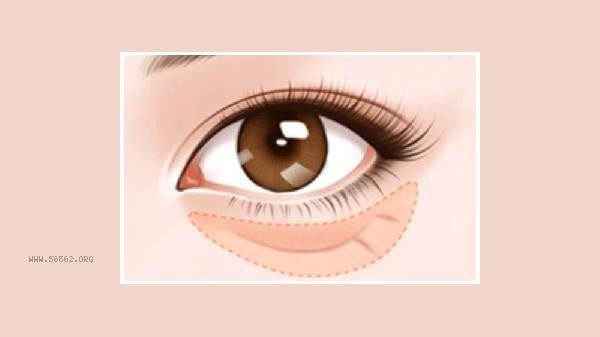
After removing fat, eye bags generally do not grow back, but skin sagging or aging may lead to the recurrence of eye bags. Eye bag surgery improves appearance by removing excess fat, and postoperative care is necessary to maintain the effect. The fat removed during eye bag surgery usually does not regenerate because the number of fat cells remains relatively stable in adulthood. The surgery involves precise removal of protruding orbital fat through meticulous operation and reduction and fixation of relaxed tissue. In the early postoperative period, temporary appearance unevenness may occur due to swelling, but it will gradually become more natural as recovery progresses. Standardized surgical procedures can ensure moderate fat removal and avoid excessive correction leading to sunken eyes. Most patients can maintain their postoperative outcomes for a longer period of time, especially young people who have a lower probability of recurrence due to good skin elasticity. Age induced skin laxity may cause eye bags to reappear, which is not related to fat regeneration. Not doing proper sun protection after surgery can accelerate skin aging and may worsen lower eyelid laxity. Long term staying up late or excessive eye use may lead to poor blood circulation around the eyes, resulting in the formation of pseudo eye bags. Some patients have congenital weakness in the orbital septum structure, and may experience protrusion again after surgery due to insufficient support. In rare cases, if the surgery does not thoroughly treat the fat gap, a small amount of fat may remain, leading to local recurrence.
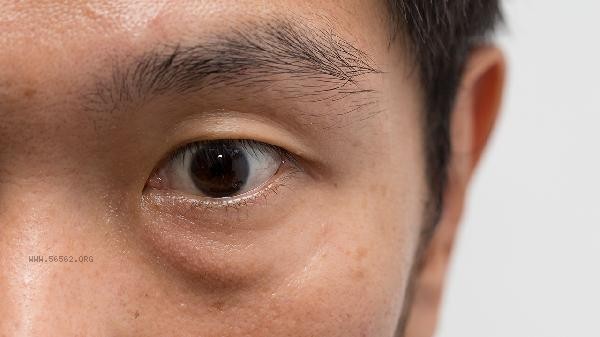
After surgery, it is necessary to maintain a regular daily routine to avoid eye fatigue, and use eye cream containing vitamin E to delay skin aging. It is recommended to regularly review and evaluate the recovery situation. If there is a significant recurrence, non-surgical methods can be considered for improvement. Avoiding behaviors such as rubbing the eyes or wearing contact lenses that may affect postoperative outcomes, and strictly following medical advice for care can help maintain long-term surgical results.







Comments (0)
Leave a Comment
No comments yet
Be the first to share your thoughts!