
Eating potatoes that are not fully cooked may lead to poisoning, mainly due to factors such as solanine content, consumption amount, individual differences, cooking methods, and storage conditions.

1. High levels of solanine
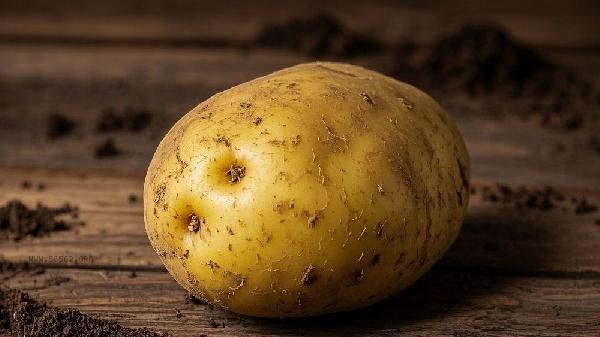
Immature potatoes or sprouted, green potatoes contain high concentrations of solanine, a natural toxin. If potatoes are not fully cooked at high temperatures, solanine cannot be completely destroyed, and ingestion can easily irritate the gastrointestinal mucosa, leading to discomfort symptoms such as nausea, vomiting, and abdominal pain. This toxin has the highest content in the sprouting area and around the epidermis, so when processing potatoes, it is necessary to peel and remove the bud holes, and ensure thorough cooking to reduce risk.
2. Large Consumption
Even if the content of solanine in potatoes is at a moderate level, if a large amount of uncooked potatoes are consumed at once, the accumulated toxin dose may exceed the human tolerance threshold, leading to toxic reactions. The degree of poisoning is closely related to the total amount of toxins ingested. A small amount of accidental ingestion may only cause mild gastrointestinal discomfort, while a large amount of food intake may lead to serious neurological symptoms such as dizziness, fatigue, and even difficulty breathing. Therefore, controlling the amount of single consumption is crucial.
3. Individual Differences
There are significant differences in the sensitivity of different populations to solanine, with children, the elderly, and those with weaker gastrointestinal function being more susceptible to toxin effects. Some people may experience obvious poisoning symptoms, such as severe abdominal pain or frequent diarrhea, even if they consume a small amount of unripe potatoes due to physical reasons. For this sensitive population, diet should be more cautious, and any incompletely cooked potato products should be strictly avoided to prevent accidents.
4. Short cooking
Insufficient cooking time is the direct cause of potato poisoning. Longkuisu needs to be heated at high temperatures for a long time to decompose and become ineffective. If a simple quick stir fry fails to raise the center temperature of the potato to a sufficient height or maintain it for a sufficient time, the toxin will remain. It is recommended to use stewing or long-term stir frying when cooking potatoes to ensure that the texture of the potatoes is soft and sticky, the color is uniform, and to avoid the situation where the exterior is burnt yellow and the interior is stiff, so as to effectively destroy the toxin structure.
5. Poor Storage
The storage environment of potatoes directly affects their toxin content. If potatoes are placed in a warm, humid, or direct sunlight environment, it is easy to induce germination or green skin, thereby significantly increasing the concentration of solanine. Such improperly stored potatoes, even after regular cooking, may not be able to completely remove toxicity due to their large toxin base. The correct approach is to store potatoes in a cool, dry, and dark place. Once germination or discoloration is found, they should be discarded and no longer consumed.
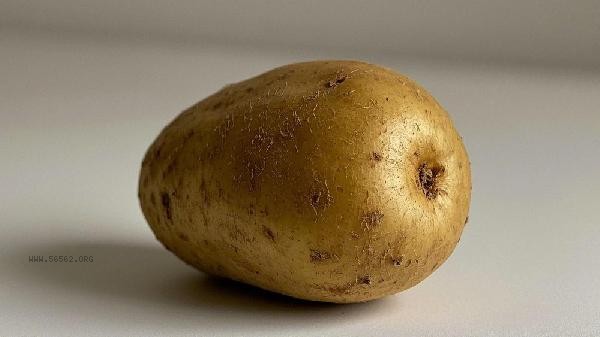
Fresh and germ free potatoes should be chosen in daily diet. When cooking, it is important to ensure that they are fully cooked to avoid sacrificing safety for a crispy and tender taste. If symptoms such as numbness in the mouth, burning sensation in the throat, nausea and vomiting, or abdominal pain and diarrhea occur after consumption, immediately stop eating and induce vomiting. Then go to the hospital as soon as possible for evaluation and treatment by a professional doctor. Do not take medication on your own to avoid delaying the condition, and pay attention to replenishing fluids to prevent dehydration.






Comments (0)
Leave a Comment
No comments yet
Be the first to share your thoughts!