
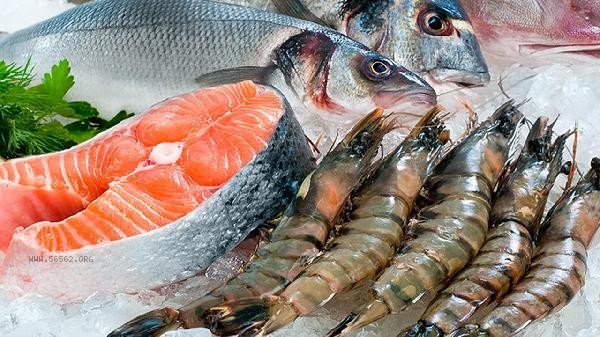
Eating shrimp in moderation at night generally does not lead to weight gain, but excessive consumption or pairing with high oil and sugar cooking methods may increase the risk of weight gain. Shrimp meat is a typical high protein, low-fat ingredient with relatively low calorie density and rich in high-quality protein. After consumption, it can produce a strong sense of satiety and help reduce the intake of other high calorie snacks at night. During dinner time, if light cooking techniques such as steaming, blanching, or boiling are used, and the total consumption is strictly controlled within the normal dietary range, the nutrients in shrimp meat are mainly used for repairing body tissues and maintaining basic metabolism, and are not easily converted into fat accumulation. For most people who maintain a regular schedule and moderate exercise, consuming a moderate amount of shrimp at night not only does not cause obesity, but also helps to supplement the amino acids needed at night and promote muscle synthesis. The key lies in the overall calorie balance. As long as the total calorie intake on the day does not exceed the calorie expenditure, it is rare to gain weight simply because of eating shrimp at night. In addition, the abundant trace elements such as zinc and selenium in shrimp meat also help regulate the activity of metabolic enzymes in the body, which has a positive significance in maintaining normal lipid metabolism. Therefore, eating shrimp at night is a safe dietary choice, provided that the cooking method is healthy and the portion size is appropriate. If a large amount of oil, sugar, or high calorie methods such as frying or braising are added during cooking, or if the amount consumed at once exceeds the body's energy needs for the night, the excess calories will be converted into fat storage, which can indeed lead to weight gain in the long run. Some people may have indigestion towards seafood, with slow gastrointestinal motility at night and excessive consumption of shrimp meat, which may lead to bloating or affect sleep quality, indirectly interfering with metabolic rhythm. For individuals with hyperuricemia or gout, consuming a large amount of shrimp meat at night may induce joint pain, and special attention should be paid to controlling intake. It is recommended to pair shrimp with fresh vegetables for dinner and avoid consuming it with beer or sugary drinks. Steaming or blanching is preferred for cooking, and single consumption should be strictly controlled. Light activities such as walking should be done after meals to promote food digestion and absorption, and maintain a healthy weight management state. If you have a history of special diseases or metabolic abnormalities, you should consult a professional physician or nutritionist to develop a personalized diet plan.






Comments (0)
Leave a Comment
No comments yet
Be the first to share your thoughts!