
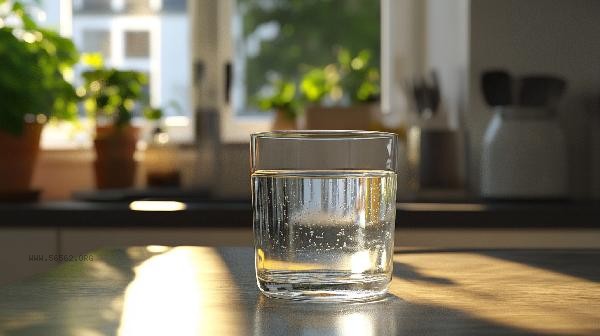
Drinking moderate amounts of water at night generally does not lead to weight gain, and weight gain is usually related to excessive total calorie intake. The change in human body weight mainly depends on the energy balance throughout the day, that is, whether the intake of calories exceeds the expenditure of calories. Water itself does not contain any calories, fat, or sugar, so simply drinking plain water will not directly convert into fat accumulation in the body. If there is an increase in the weight scale value after drinking water at night, it is mostly due to temporary retention of water in the body, not fat production. This weight will be naturally excreted through urination and sweating the next day. For people with normal metabolism, drinking a small amount of water before bedtime can help maintain stable blood viscosity at night, prevent metabolic slowdown caused by dehydration, and actually have an auxiliary effect on weight control. Only when the liquid consumed is sugary drinks, milk tea, or alcoholic beverages, can the high calories contained therein be converted into fat storage with reduced nighttime activity. In addition, some people are concerned that drinking water at night may cause edema, which is usually related to abnormal kidney or heart function. The body regulation mechanism of healthy individuals can fully handle normal water intake without excessive anxiety about weight fluctuations caused by water intake.
It is recommended to maintain a regular drinking habit in daily life, avoid excessive watering before bedtime to avoid affecting sleep quality or causing frequent nocturia, and strictly limit the intake of high sugar beverages. In terms of diet, it is important to pay attention to a balanced combination, increase the proportion of vegetables, fruits, and high-quality protein, and reduce the consumption of high oil and high salt foods, as overly salty diets can exacerbate the body's water storage phenomenon and create the illusion of obesity. It is recommended to engage in moderate aerobic exercise, such as brisk walking or jogging, to increase basal metabolic rate and help the body utilize energy more effectively. If you find yourself with unexplained persistent edema or rapid weight changes, you should promptly go to the endocrinology or nephrology department of the hospital to check for potential diseases. Do not blindly diet or abuse diuretic products. Scientific management of lifestyle is the key to maintaining a healthy weight.








Comments (0)
Leave a Comment
No comments yet
Be the first to share your thoughts!