
Long term moderate consumption of fresh milk generally does not lead to weight gain, but excessive intake may increase calorie burden. Fresh milk contains high-quality nutrients such as protein, calcium, and B vitamins. The relationship between its fat content and weight changes depends on individual metabolic differences and overall dietary structure. Fresh milk contains about 3-4 grams of fat per 100 milliliters, making it a natural food with moderate fat content. Normal adults drinking around 300 milliliters of fresh milk per day can meet their calcium needs without easily causing obesity, while maintaining a balanced diet. The conjugated linoleic acid component of dairy fat may also help regulate lipid metabolism, and the satiety of whole milk can also help control the intake of other high calorie foods.
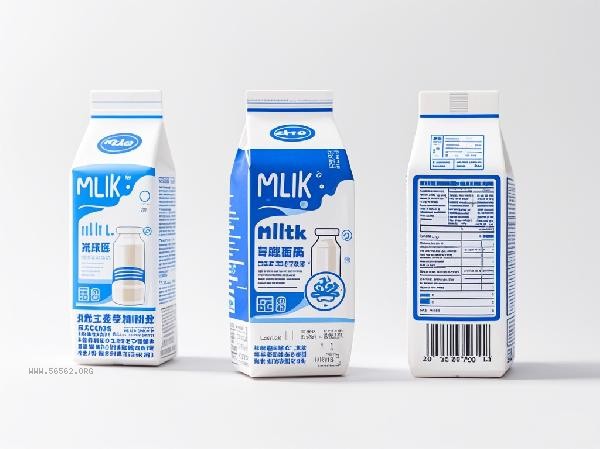
Some populations need to pay attention to controlling their intake. Lactose intolerant individuals may experience bloating that affects digestive function, and overweight individuals can choose low-fat milk to reduce calorie intake. When replacing sugary drinks with fresh milk, it may actually reduce total sugar intake, but if consumed in large quantities or paired with high sugar foods, sustained excess calories may still lead to weight gain.
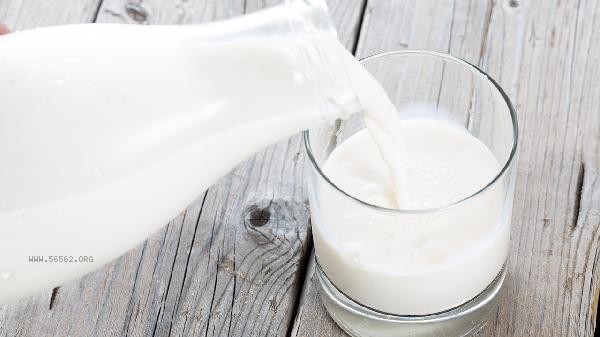
When using fresh milk as a daily dietary component, it is recommended to adjust the drinking amount according to one's own activity level, and adults should not exceed 500 milliliters per day. At the same time, maintaining a diverse diet, increasing intake of vegetables, fruits, and whole grains, combined with moderate exercise, can better maintain a healthy weight. Dairy allergy can be replaced by soybean milk or oat milk. For special health conditions, consult a nutritionist to develop a personalized plan.









Comments (0)
Leave a Comment
No comments yet
Be the first to share your thoughts!