
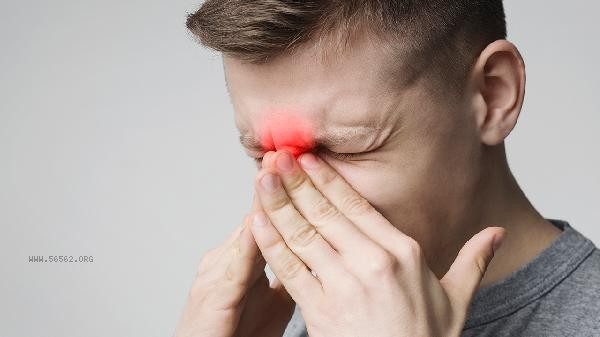
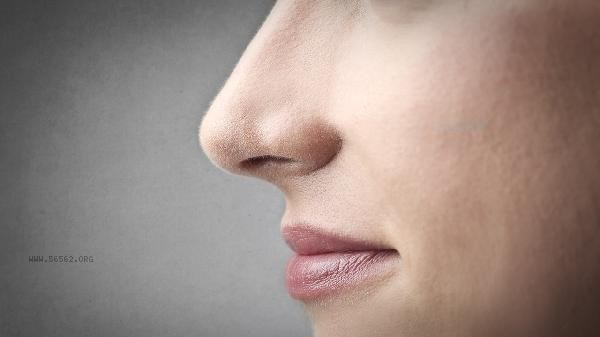
Long pimples on the nose are usually related to factors such as excessive sebum secretion, blocked hair follicles, bacterial infections, etc. The main causes include endocrine disorders, improper diet, insufficient cleaning, excessive stress, and the proliferation of Propionibacterium acnes.
1. Endocrine disorders
Hormonal fluctuations during puberty or physiological periods can stimulate sebaceous glands to secrete excessive oil, which mixes with dead skin cells shed from the stratum corneum to block pores and form acne. Maintaining a regular daily routine helps regulate hormones, avoid staying up late, and prevent emotional fluctuations.
2. Improper diet
A high sugar and high-fat diet can promote sebum synthesis, and hormone components in dairy products may exacerbate inflammation. Suggest reducing the intake of fried foods and chocolate, increasing the proportion of vegetables, fruits, and whole grains, and supplementing with vitamin B and zinc appropriately.
3. Insufficient cleaning
The nasal sebaceous glands are dense and the pores are enlarged. Incomplete makeup removal or sweat accumulation can easily lead to abnormal keratinization of hair follicles. Mild amino acid cleansing products should be selected to avoid excessive rubbing, and timely hydration should be done after cleaning to maintain water oil balance.
4. Stress factors
Long term tension and anxiety can increase cortisol levels, indirectly promote sebum secretion, and weaken the skin barrier. Stress can be relieved through mindfulness meditation, aerobic exercise, and other methods. If necessary, seek psychological counseling intervention.
5. Bacterial infection
Propionibacterium acnes proliferates massively in a hypoxic environment, triggering local immune reactions and forming red and swollen acne. If symptoms persist, external drugs such as fusidic acid cream, benzoyl peroxide gel or adapalene gel can be used according to the doctor's advice.
Avoid squeezing pimples with your hands in daily life to prevent the spread of infection, and pay attention to sun protection when going out to reduce pigmentation. If accompanied by cystic nodules or recurrent attacks, it is recommended to undergo fungal examination or hormone level testing in a dermatologist to rule out potential diseases such as polycystic ovary syndrome. Developing the habit of changing pillowcases every week and regularly disinfecting eyeglass frames, choosing oil-free skincare products can help prevent recurrence.







Comments (0)
Leave a Comment
No comments yet
Be the first to share your thoughts!