
Too much salt will not directly lead to fat accumulation, but high salt diet will cause water and sodium retention, resulting in temporary weight gain, and may indirectly lead to obesity by stimulating appetite. The main associated factors are water and sodium retention, hyperappetite, metabolic disorder, insulin resistance, and bad eating habits.
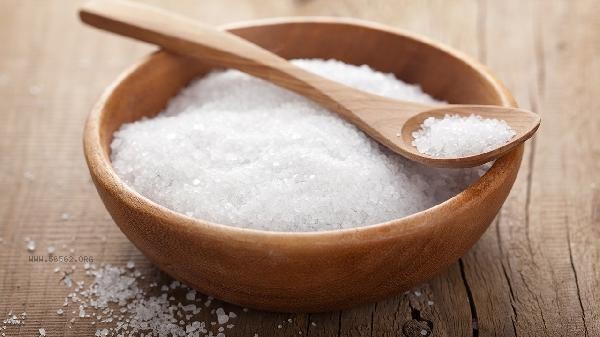
1. Water and sodium retention
Excessive intake of salt will lead to the increase of sodium ion concentration in the body. In order to maintain osmotic pressure balance, the body will retain more water, thus causing water and sodium retention. This phenomenon can cause patients to feel weight gain in a short period of time, but it is not a true increase in fat, but rather an increase in water in the body. Usually manifested as facial swelling, eyelid swelling, or heaviness in the limbs. Improvement measures include reducing daily salt intake, eating more potassium rich foods such as bananas and spinach to help eliminate excess sodium ions, ensuring sufficient water to promote metabolism, and avoiding the consumption of pickled foods and processed meats.
2. Overappetite
High salt foods often have a heavy taste, which can stimulate the taste buds and create a strong desire to eat, leading to excessive total calorie intake. People who have a long-term preference for salty foods often unconsciously consume more snacks or sugary drinks outside of meals, and these extra calories are eventually converted into fat stored in the body. This type of situation is often accompanied by symptoms such as thirst and dry mouth. Suggest adjusting the taste to light, try using natural spices such as scallions, ginger, and garlic instead of some salt for seasoning, chew slowly to increase satiety, control the total amount of food consumed per meal, and avoid overeating.
3. Metabolic disorders
Long term high salt diet may interfere with normal energy metabolism processes, affect lipid breakdown efficiency, and make it easier for fat to accumulate around the abdomen and internal organs. This situation may be related to chronic inflammatory reactions, typically manifested as increased waist circumference, decreased physical strength, or increased fatigue. In terms of treatment, salt intake should be controlled from the source, combined with moderate aerobic exercise such as brisk walking and swimming to improve basal metabolic rate. If necessary, medication such as orlistat capsules and metformin tablets can be used to assist in regulating metabolic function according to medical advice, but must be carried out under the guidance of a doctor.
4. Insulin resistance
Excessive intake of sodium salts may reduce cell sensitivity to insulin, leading to a decrease in blood glucose regulation ability and prompting the pancreas to secrete more insulin. High insulin levels can promote fat synthesis and inhibit fat breakdown. This process usually occurs stealthily, with no obvious symptoms in the early stages, and may result in excessive drinking, polyuria, or abnormal weight fluctuations in the later stages. The coping strategies include strictly limiting the intake of processed food, increasing the intake of dietary fiber such as oats and beans, and keeping a regular routine. If the patient is diagnosed with pre diabetes or diabetes, it is necessary to use acarbose tablets, glimepiride tablets and other hypoglycemic drugs according to the doctor's advice.
5. Bad eating habits
People who like to eat salty food often tend to have a high oil and high sugar diet pattern, which is an important driving force for obesity. Although a single high salt intake does not directly produce fat, it is part of an unhealthy lifestyle and works together with other factors to manage weight. Common manifestations include a preference for fried foods, desserts, and sugary drinks. The correction method requires establishing a balanced dietary structure, developing scientific recipes, cultivating healthy cooking habits, such as steaming instead of frying, and developing personalized weight loss plans under the guidance of professionals, consistently implementing them.
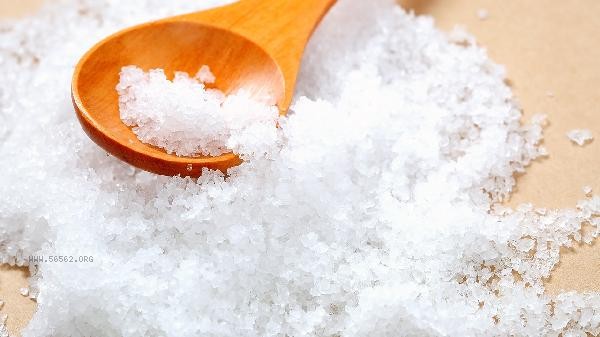
In daily life, salt intake should be strictly controlled. Adults are recommended to consume no more than five grams per day, eat more fresh vegetables and fruits to supplement vitamins and minerals, adhere to at least 150 minutes of moderate intensity exercise such as jogging or cycling per week, maintain a regular schedule to avoid staying up late, regularly monitor weight changes, and if continuous abnormal weight gain or severe swelling, hypertension and other symptoms are found, seek diagnosis and treatment guidance from professional doctors in a timely manner. Do not blindly take medication or adopt extreme dietary measures on your own.








Comments (0)
Leave a Comment
No comments yet
Be the first to share your thoughts!